


Resisting Fascism
fascism
1: a populist political philosophy, movement, or regime that exalts nation and often race above the individual, that is associated with a centralized autocratic government headed by a dictatorial leader, and that is characterized by severe economic and social regimentation and by forcible suppression of opposition
At the core of fascism is loyalty to tribe, ethnic identity, religion, tradition, or, in a word, nation.—Jason Stanley
2: a tendency toward or actual exercise of strong autocratic or dictatorial control
Call it "soft fascism": a political system that aims to stamp out dissent and seize control of every major aspect of a country's political and social life, without needing to resort to "hard" measures like banning elections…—Zach Beauchamp
Monopoly Capitalism
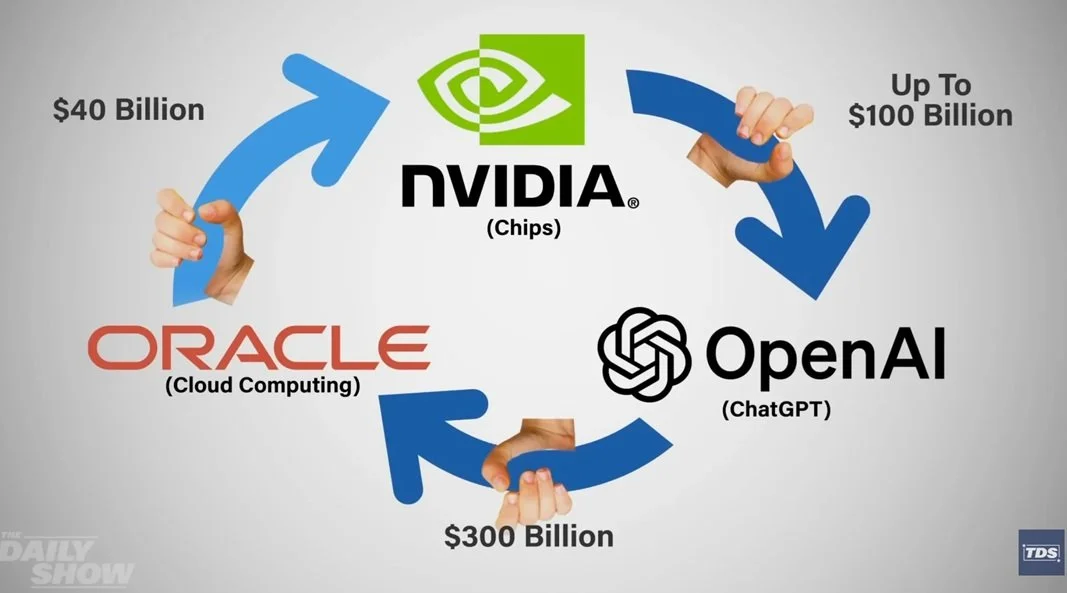
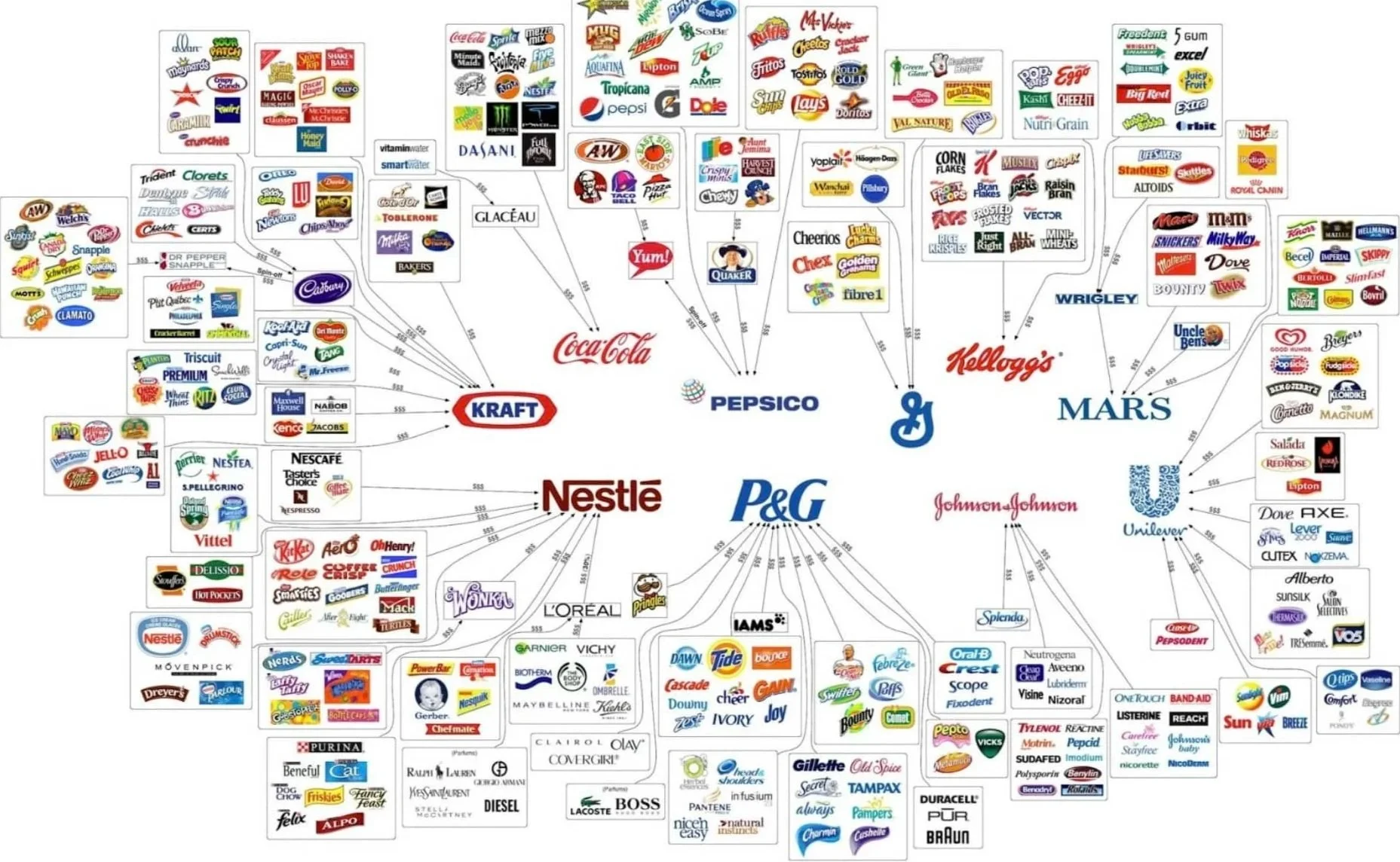
Corporate consolidation since 1980 has eroded economic opportunity, reduced upward mobility, and concentrated power in the hands of a few ultra-wealthy elites. The promise of hard work leading to financial stability and homeownership has been replaced by a system designed to extract wealth from the working class and funnel it to corporate interests. Without aggressive antitrust action, financial regulation, and corporate accountability, the gap between the rich and everyone else will only widen.
A Path to $30/hr. by 2030
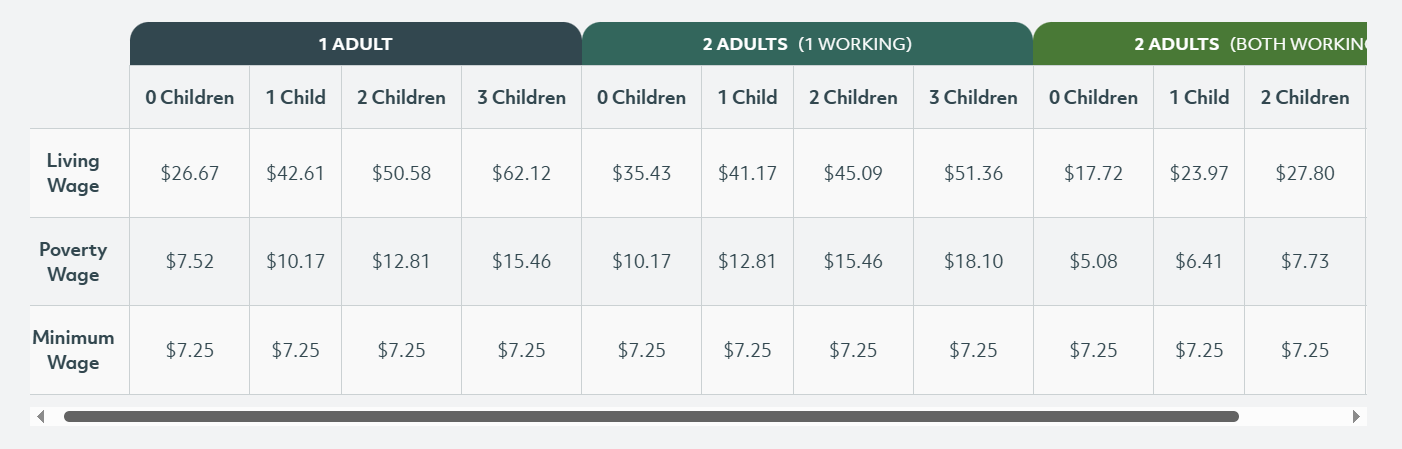
America can afford a living minimum wage. What’s been missing is a plan that raises pay without crushing small and mid-size businesses in the transition. Here’s a clear, workable path: tax extreme wealth and excess corporate profits to fund a short-term bridge for employers, and let the long-term payoff do the rest.
Short term: We raise the floor in steps and cover part of the gap for smaller employers with credits funded by taxes on extreme wealth and excess corporate profits.
Long term: Local businesses gain a larger, steadier customer base, lower churn, and fairer competition. Workers bring home enough to live—and to spend on Main Street.

Healthcare is a Birthright.
America’s obsession with privatized healthcare has produced a system that is morally indefensible and economically unsustainable. No one should have to choose between treatment and bankruptcy, or watch loved ones suffer because a corporation denied coverage.
If health is wealth—and it is—then universal care is the foundation for a truly prosperous nation. We have the resources, the models, and the public support. What we lack is the political courage.
It’s time for the United States to join the civilized world and treat healthcare not as a profit engine, but as a sacred right.

Tax The Rich
The billionaire class has a choice: invest in the America that made their wealth possible or undermine democracy to preserve their power. So far, many have chosen the latter. But history shows that when ordinary people demand accountability and fairness, systemic change is possible.
If America is to honor its promise of government “of the people, by the people, for the people,” we must confront the corrosive influence of extreme wealth and build an economy — and a democracy — that works for everyone.
The stakes are nothing less than the survival of the American dream itself.

Wall Street’s Scam
The Racket: Monopoly, Corruption, Collapse, Reform, Repeat
America keeps living through the same economic scam on loop. It goes like this:
Industries consolidate. A few giants choke out competition. Profits surge.
The giants rig the rules. Lobbyists flood Washington. Risk piles up in the dark.
The bubble pops. Workers lose jobs, savings, homes. The public pays the cleanup bill.
Congress steps in with reforms to “make sure this never happens again.”
Time passes. Wall Street, Big Tech, Big Banks, Big Oil, Big Whatever quietly pressure, sue, and lobby until those rules are weakened, gutted, or repealed.
Go back to step 1.
This isn’t an accident. It’s a cycle. And it’s older than any of us.
Let’s walk it.

The President IS NOT King.
The Constitution locates power in institutions, not personalities. The Founding Fathers established Congress as the first and most crucial branch of government, emphasizing its role as the direct representative of the people. Before the presidency was created, Congress was designed to be the voice of the citizens, crafting laws and maintaining checks on power.
Article 1 established Congress
Article 2 established the Presidency
Article 3 established the Supreme Court

Housing Crisis 2.0
A functional society does not allow the basic human need for shelter to be harvested like a commodity—especially when families are locked out of ownership and renters are squeezed by fees and concentrated market power. We can’t solve the entire housing crisis with one law, but we can stop making it worse by letting corporate owners crowd out first-time buyers and convert neighborhoods into profit machines. Homeownership should be for people. My commitment is simple: in Congress, I will fight to put families and the American Dream back in front of private equity’s balance sheet where it belongs.
Parasitic Gerrymandering
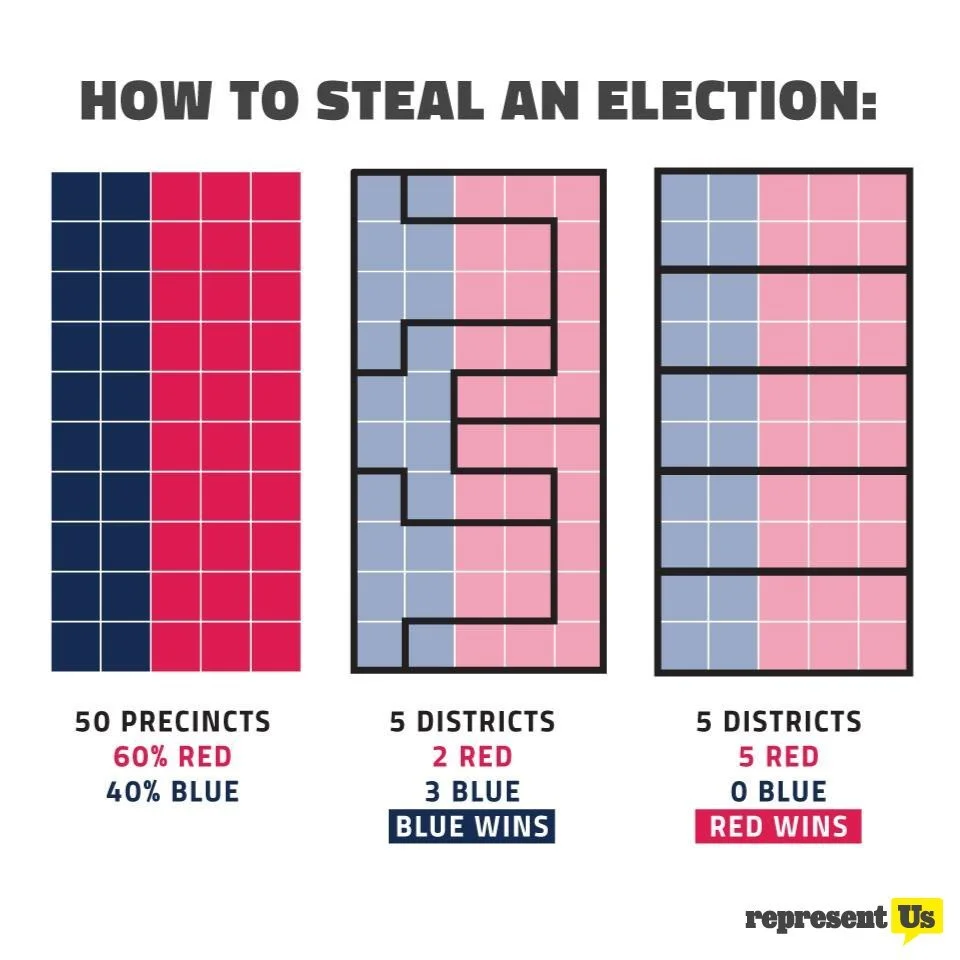
Democracy isn’t just about counting votes; it’s about making votes count equally. The tools exist to end the era of politicians choosing their voters. All that’s missing is the will to use them.

Forever War Profiteering
The Founders warned about the danger of a standing army that becomes an engine of its own power. We built that engine anyway. We wrapped it in the flag. We called any oversight “unpatriotic.” And we now spend nearly a trillion dollars a year on a war machine that can’t pass an audit and routinely enriches a handful of corporations while young Americans come home in caskets.

Dark Money Puppets in Congress
“We the People” Is Not a Slogan—It’s a Standard
A Congress that can day-trade defense stocks, hide who bought their last fundraiser, carve their own voters, and float seamlessly into seven-figure lobbying gigs does not represent We the People. It represents the house account.
Shame has to come first. Then law. Then enforcement that actually hurts.
Ban the trades. Wear the donors. Shut the revolving door. Pay for performance. Lock in term limits. Outlaw partisan gerrymandering. And give the public an independent prosecutor who doesn’t ask permission to knock.
That’s how you end the racket—so the republic can finally get back to work.

Human Evolution 2.0
Future generations will inherit the story we write right now. They will either celebrate this era as the moment humanity graduated, when we finally recognized that being “one species” mattered more than being “one faction” or they will study our failures as a warning about intelligence without maturity.

Roy Cooper’s 40 year Report Card.
Cooper’s campaign presence has leaned hard into donation and signup funnels while offering no clearly labeled, detailed “Issues” platform page the public can review at a glance. When a politician has money on tap but policies on mute, it’s usually because the strategy is to coast on name recognition and vibes, not accountability.

Climate Change & National Service
America’s next great chapter can be written with hammers, seedlings, fiber-optic cable, and open hearts. Picture a national service program that puts hundreds of thousands of people to work strengthening our communities against climate shocks, rebuilding after disasters, expanding affordable housing, and reducing homelessness—while forging the kind of cross-country camaraderie veterans know well. Think of it as a way to serve your nation without joining the military—and to leave with GI Bill–style benefits for your next stage of life.

No human is illegal.
The American Dream wasn’t built behind a wall. It was built by hands from all over the world—risking everything for a shot at freedom, fairness, and a better life.
Today’s immigration system is a moral failure and an economic blunder. But with the right mix of technology, transparency, and humanity, we can build a smarter, safer, and more just path forward.
Let’s be bold enough to say it clearly: It’s time for a system that tracks criminals, not families. That welcomes workers, not walls them out. That transforms undocumented people into documented taxpayers and future citizens.
That’s not just policy—it’s patriotism.

Corporate Welfare & National Debt
A small number of industries – energy, autos, defense, retail, finance, chemicals, metals – dominate the disclosed corporate-subsidy landscape.
Extreme corporate winners are: Boeing, Amazon, Intel, Ford, GM, Micron, Alcoa, Cheniere Energy, Foxconn, Venture Global LNG – each with $4–16 B in tracked subsidies since 2000.

Term Limits Now
Congress's refusal to implement term limits is a glaring testament to its institutional self-preservation over the interests of the people it purportedly serves. By perpetuating a system where career politicians entrench themselves in power like feudal lords, Congress effectively becomes a breeding ground for complacency, corruption, and cronyism. The absence of term limits transforms elected representatives into political monarchs, accountable to no one but their own ambitions and the special interests that fuel their perpetual reelection campaigns.

A Bill of Data Rights for the 21st Century
The American Revolution was fought over unfair taxation and foreign control. Today, we face a new tyranny: corporate surveillance without consent, profit without accountability, and data extraction without limits.
A Digital Bill of Rights is not a luxury—it is a necessity. In the 21st century, privacy is power, and if we don’t reclaim it now, we risk surrendering our democracy, autonomy, and even our humanity to the cold logic of unchecked algorithms and profit-hungry platforms.
This isn’t just about tech. It’s about freedom. Let’s rise to defend it.

Corporate Tax Dodgers
The current system is unsustainable. It entrenches inequality, undermines democracy, and erodes the American Dream. Reforming the tax code is not about punishing success—it is about restoring balance, funding essential services, and ensuring that those who benefit most from our society—billionaires and big corporations—contribute their fair share.
Let’s tax wealth fairly, close the loopholes, and rebalance our economy so that opportunity and security are available to all—not just the privileged few.