

Climate Change & National Service
The Seriousness of Inaction
Climate change is one of the most pressing issues facing humanity today. The evidence of global warming and its impacts on our planet is unequivocal. If we fail to take decisive action now, the consequences will be catastrophic, not just for future generations but for our current way of life. This article outlines a realistic plan to address climate change, emphasizing the seriousness of inaction, the threat levels now versus 50 years in the future, and the myriad risks we face if we do not tackle global warming effectively.
The Intergovernmental Panel on Climate Change (IPCC) has made it clear that the window for effective action is rapidly closing. Current global temperatures are already 1.1°C above pre-industrial levels, leading to increased frequency and severity of extreme weather events, rising sea levels, and biodiversity loss. Inaction now will lock in more severe consequences, making it significantly harder and more expensive to mitigate future impacts.
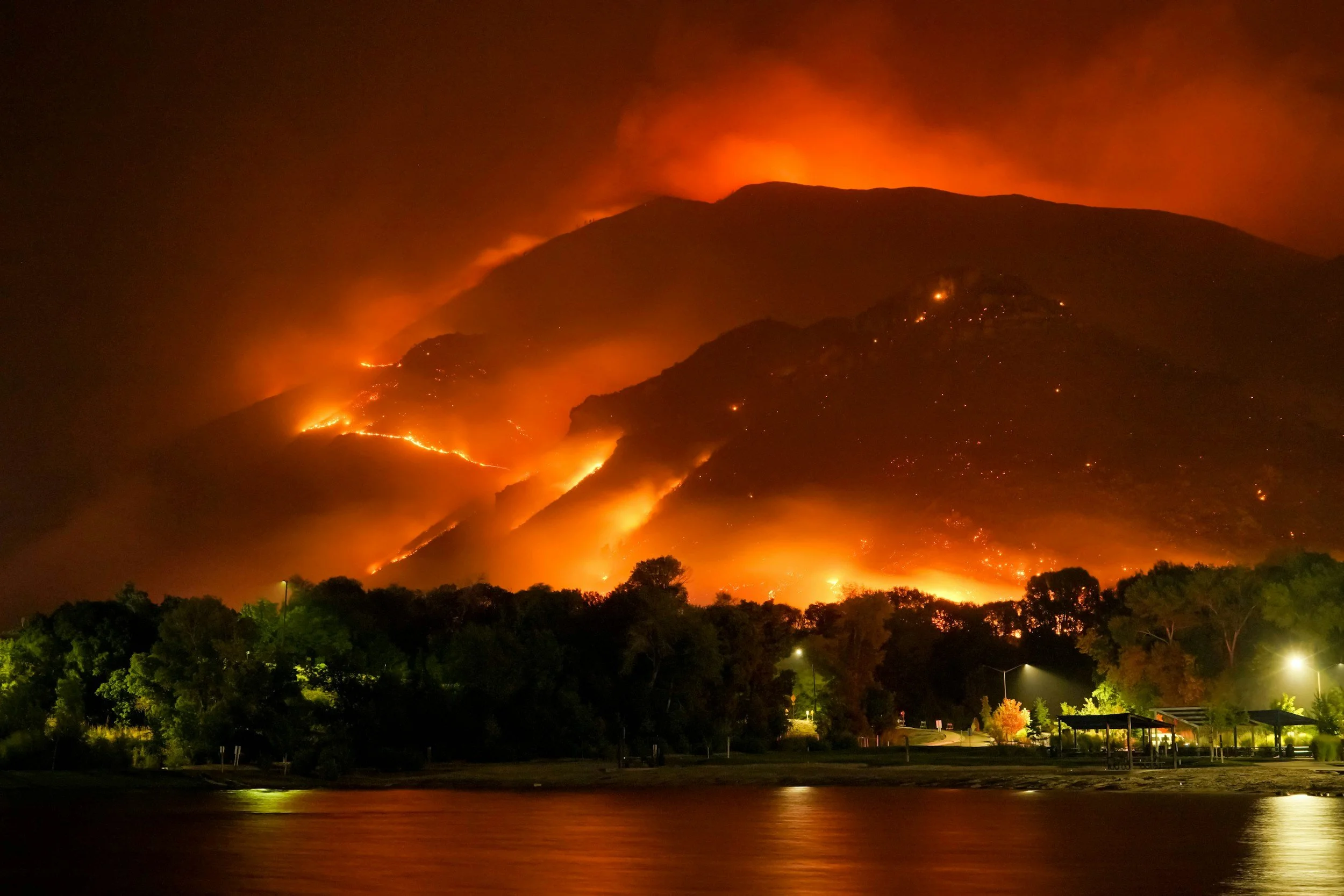
Yet every year we hear the same stories, recurring climate challenges from the destruction caused by fires, tornados, hurricanes, flooding and other extreme weather events. The questions is will we act for the sake of those enduring the current challenges and to aid future generations of a warming planet?

If we do choose to act, America’s next great chapter can be written with hammers, open hands, seedlings, fiber-optic cable, and warm hearts. Picture a national service program that puts hundreds of thousands (or millions) of people to work strengthening our communities against climate shocks, rebuilding after disasters, expanding affordable housing, and reducing homelessness. All while forging the kind of cross-country camaraderie veterans know well. Think of it as a way to serve your nation without joining the military and to leave with GI Bill–style benefits for your next stage of life.
The Vision
Climate & Community Service Corps (CCC) is a civilian, paid service program for Americans aged 17–60. Meant to serve as a regional pillar for all types of needs from temporary and permanent housing. Rebuilding communities after historic disasters or strengthening regions that will be susceptible to climate change effects in the coming decade. Infrastructure projects, wildlife or habitat restoration, interaction with those most in need of human empathy (foster children, terminally sick, senior citizens), the possibilities are nearly endless.
This is jobs + mission + education program. A chance to pop ideological bubbles by serving shoulder-to-shoulder with Americans from every zip code. Participants can choose to serve 6 to 24 months on teams that deploy locally and nationwide to do the following:
Harden communities before disasters - landslide, fire and wind, flood protections.
Rebuild after fires, floods, hurricanes, and tornadoes - fast, dignified, and to resilient standards.
Tackle the affordable housing gap - build, retrofit, and preserve units; convert underused buildings.
Reduce homelessness through street outreach, wraparound services, and the construction of housing.
Decarbonize and save households money - weatherization, community solar, EV charging.
Restore lands and waters - wetlands, fire breaks, forest management, invasive removal.
Modernize critical infrastructure - stormwater systems, broadband for telehealth and remote work.
How It Works
1) The deal for those who step up to serve is a living wage at least $30 an hour + health care + childcare stipend + housing allowance while deployed. GI Bill–style education benefit upon honorable completion: two years of public college tuition (or equivalent training grants), plus student-loan relief and down-payment assistance for first homes in communities you served. Veteran priority: Veterans can serve as team leaders and receive accelerated benefits recognition. Portable pension seed: automatic retirement account with federal match during service.
2) The Benefit for Communities Jobs, Community, and Common Ground. Turnkey teams that show up within days after a disaster and show up before it happens to cut losses. Affordable housing projects delivered with federal/state/local braided funding and standardized designs to slash time and cost. A pipeline of skilled local workers trained to maintain what’s built. These are paid, skilled positions that can’t be offshored, exactly the kind of work that stabilizes families and neighborhoods.
Diverse teams live and work together, just like military units. People discover they can disagree on politics and still trust each other under pressure. While they stack credentials + GI Bill–style benefits = ladders into union trades, public safety, nursing, forestry, data science, and public service.
3) Service Tracks (choose your mission). Each track offers industry-recognized credentials (NABCEP solar, BPI building analyst, EMT-B, wildland fire red cards, arborist certs, CDL, GIS). Service becomes a springboard into high-demand careers.
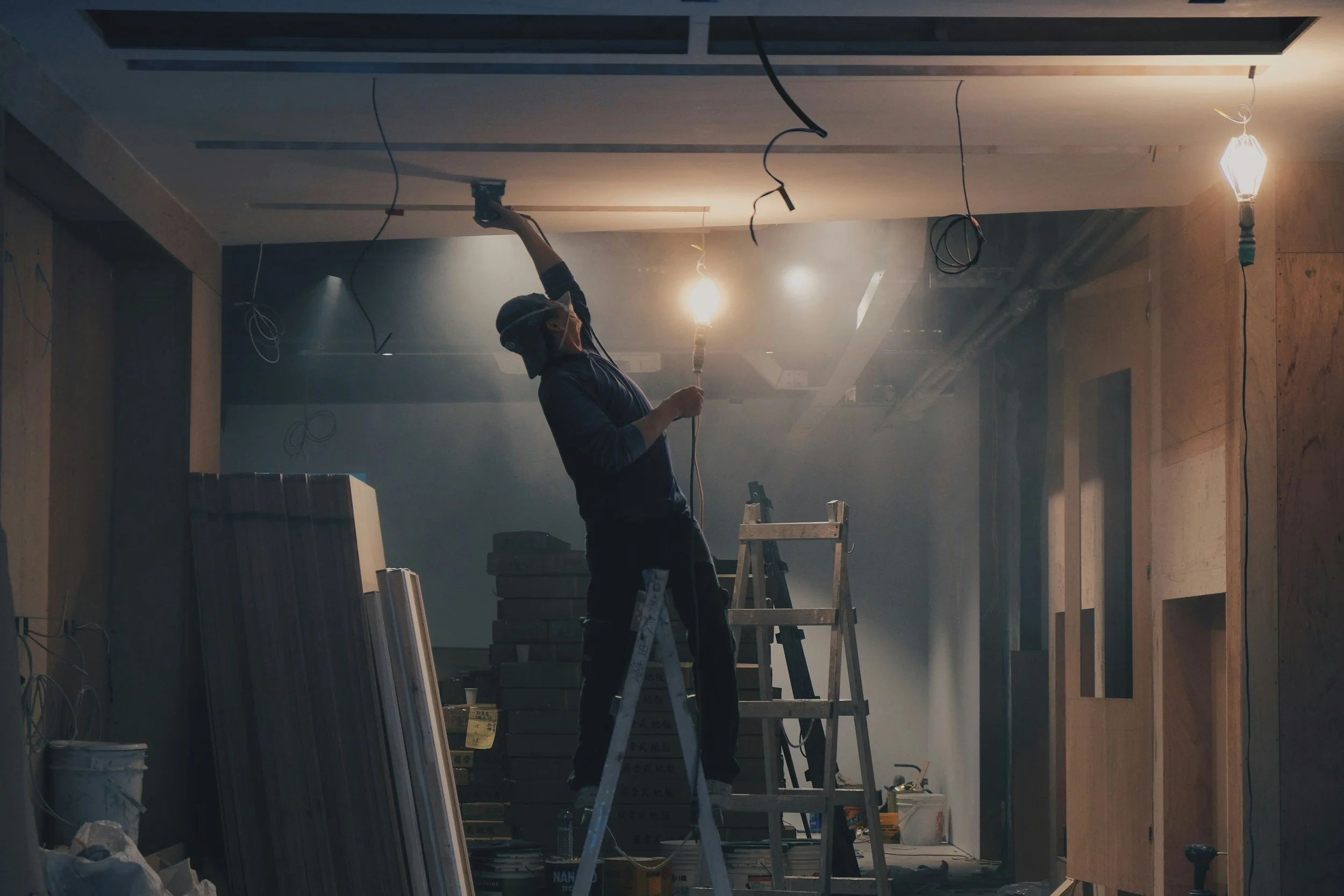



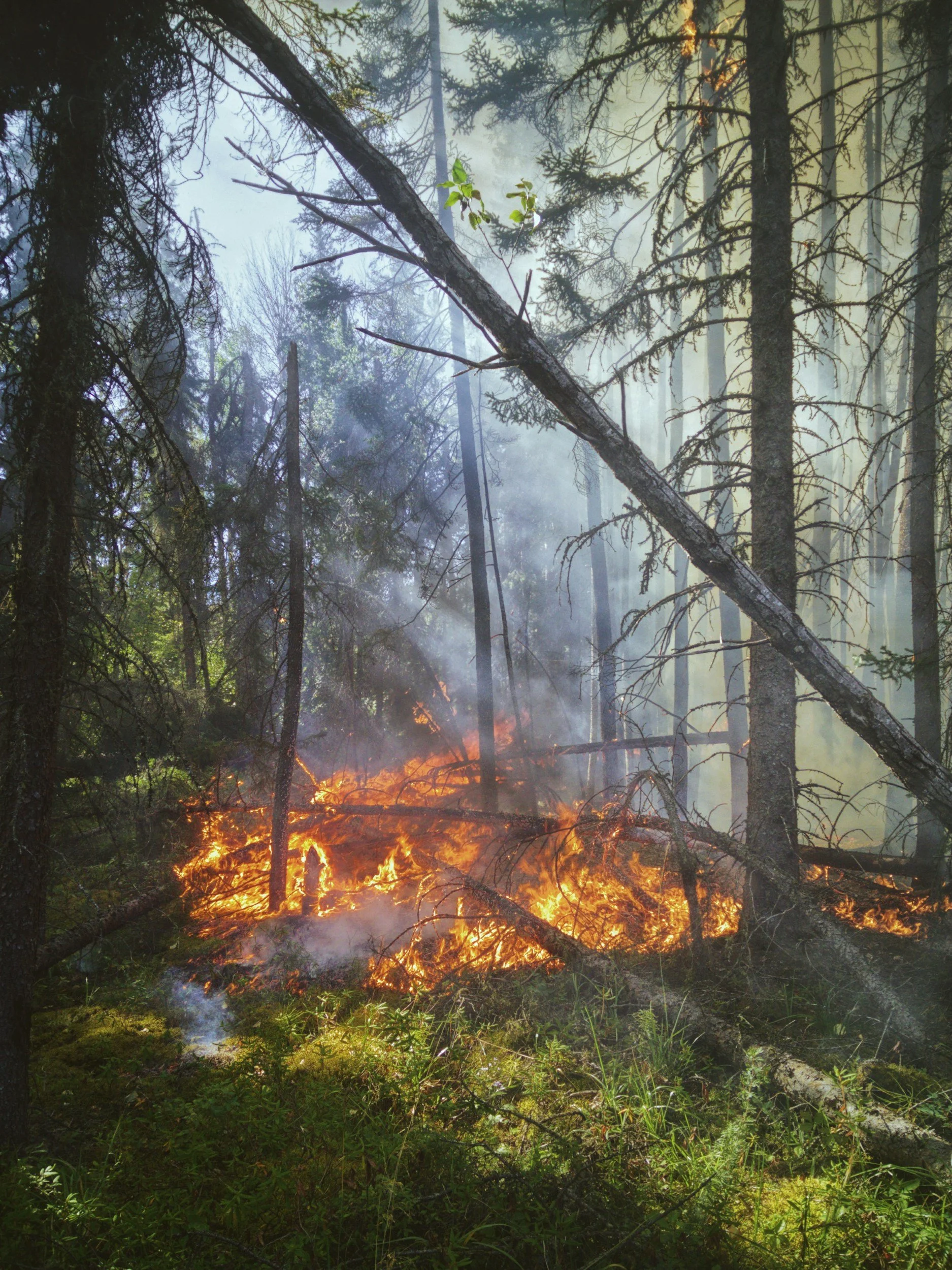


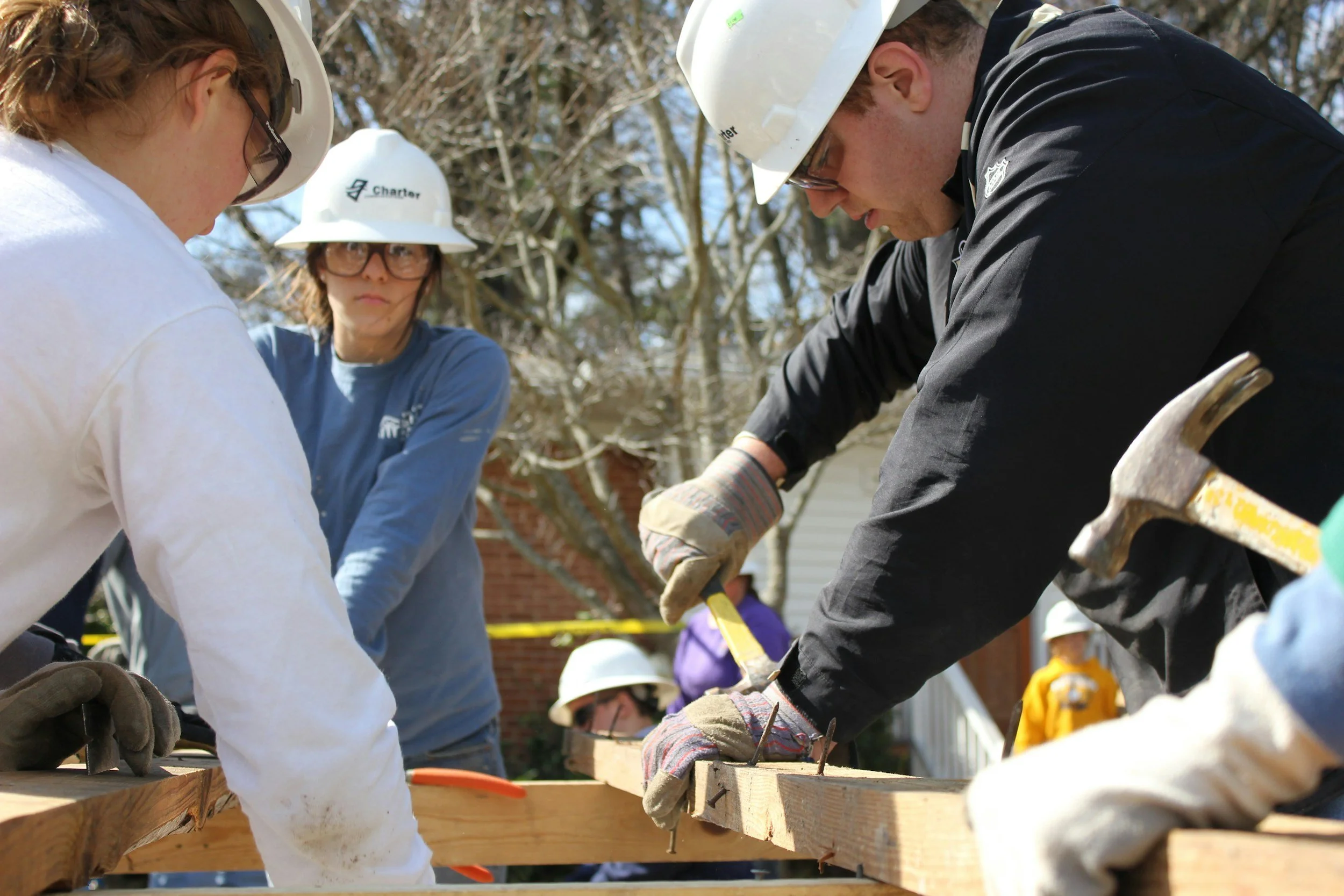
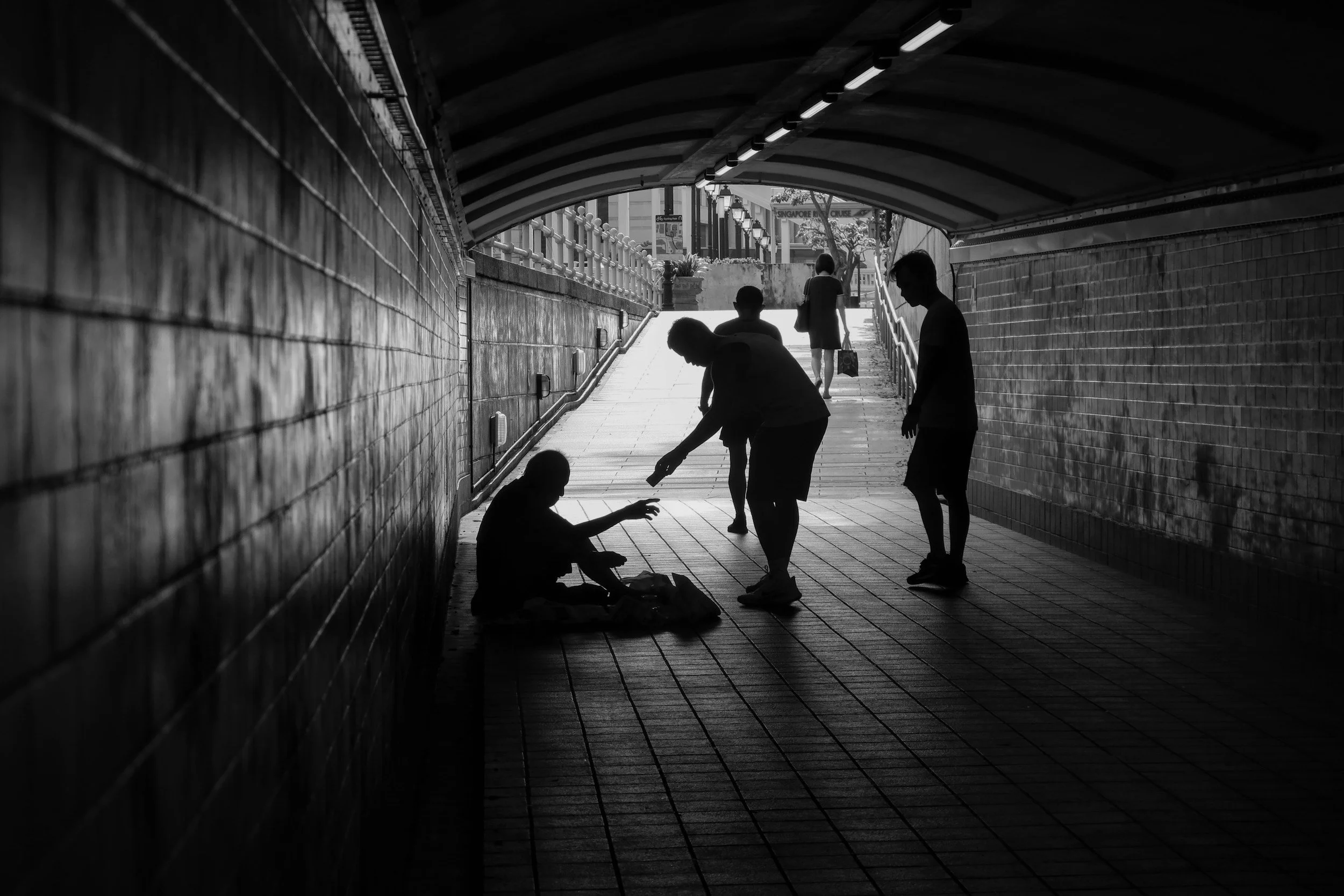
Resilience & Recovery Corps: Pre-disaster hardening and rapid post-disaster rebuilds.
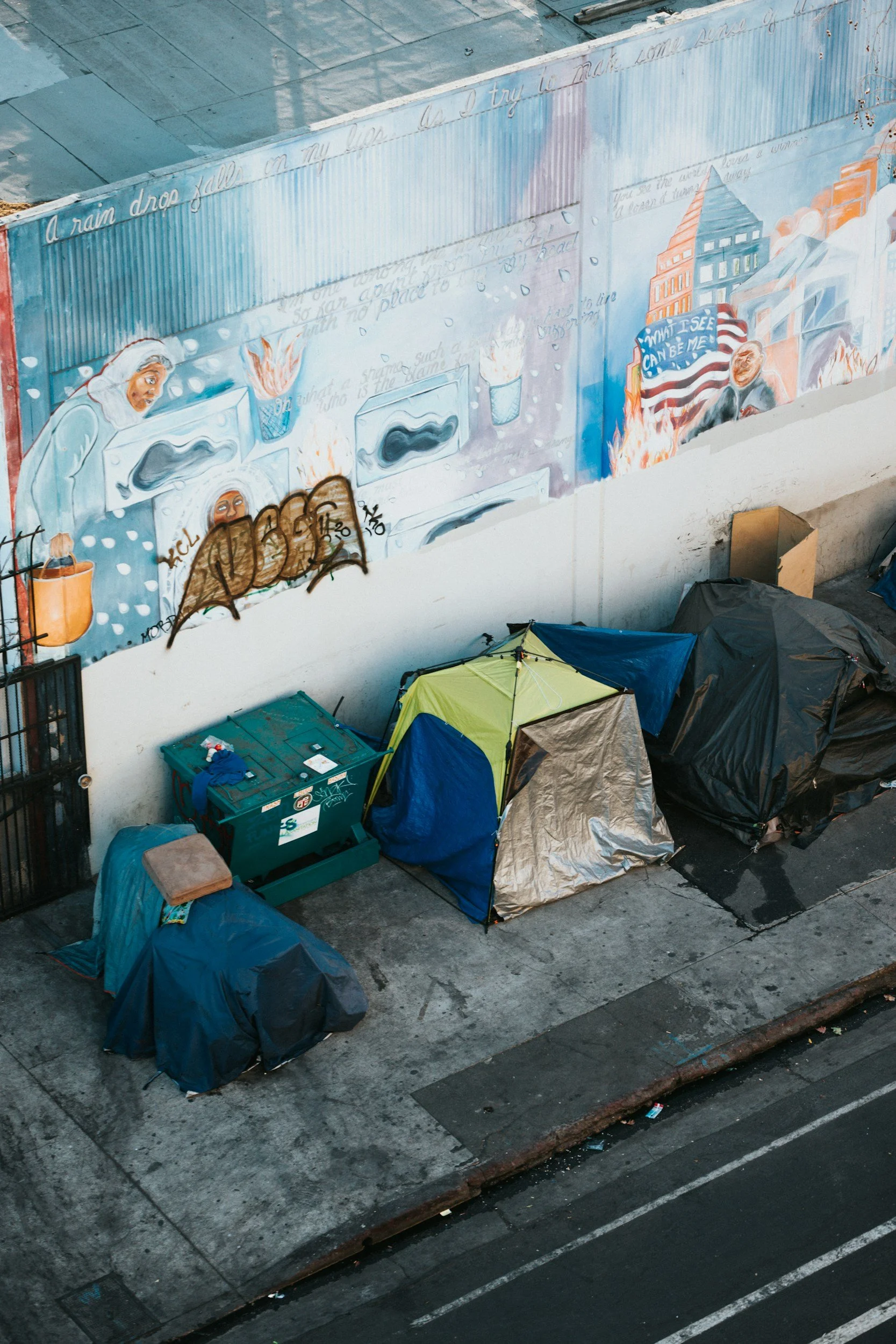
Housing & Homelessness Corps: Build/rehab affordable units, convert motels/offices.
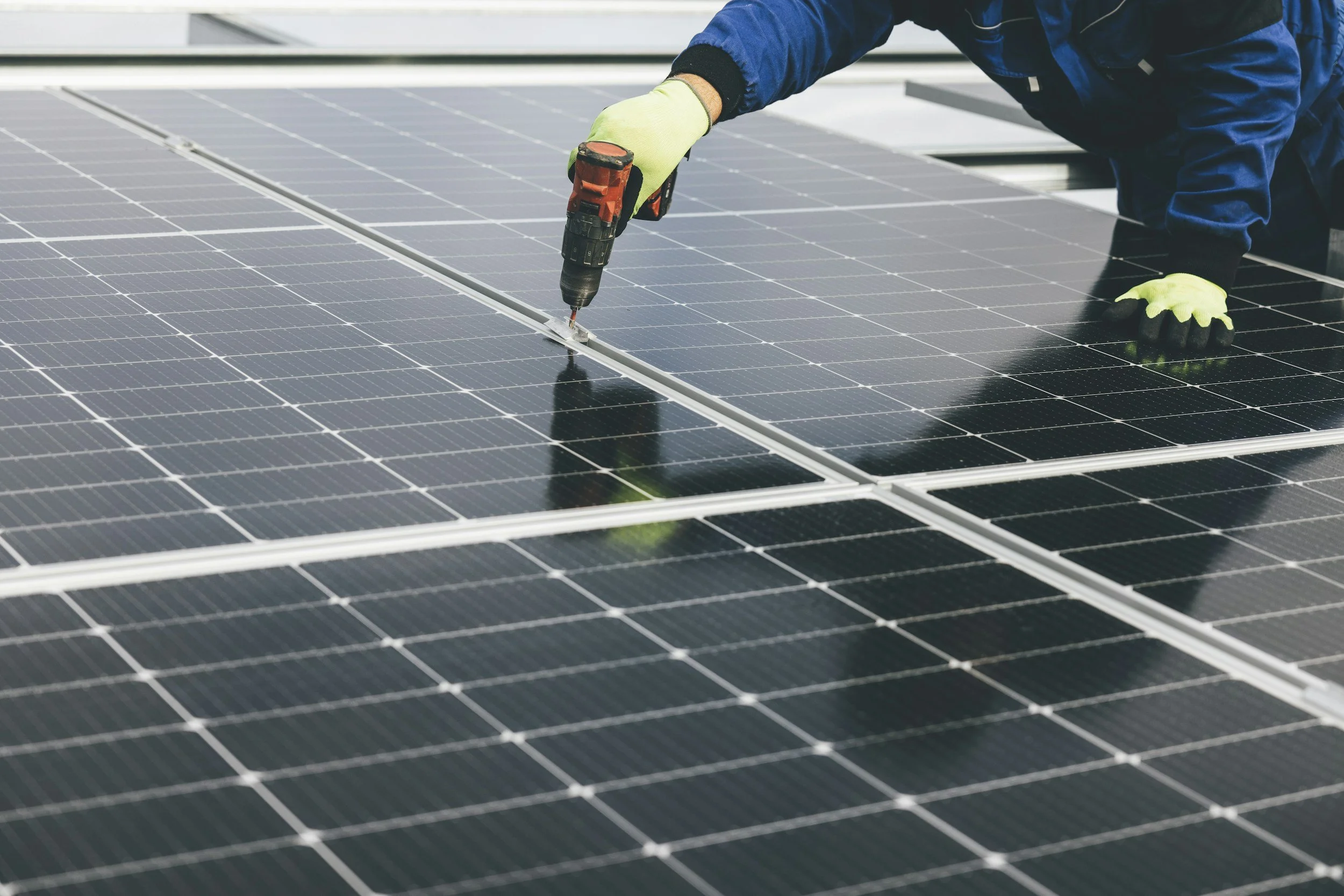
Energy & Efficiency Corps: Weatherization, rooftop and community solar, school retrofits.
Land & Water Corps: Wildfire mitigation, urban forestry, wetlands restoration, soil projects.
Public Health & Cooling Corps: Cooling centers, neighborhood mutual-aid hubs, emergency logistics, air-quality shelters.
Digital & Data Corps: Climate risk mapping, housing inventory platforms, text-alert systems, and resilient broadband.
Bipartisan Accountability
Preparedness: Red and blue communities both face floods, fires, tornadoes, heat, and housing shortages. Everyone wants their kids in purposeful, paid service that builds resumes and not debt. Speed with standards: Preapproved design catalogs for resilient homes, clinics, shelters to build quickly without sacrificing quality. Data you can see: Live dashboards show projects, dollars, and outcomes like homes built, megawatt-hours saved, trees planted, people housed.
Local labor first: Project labor agreements, prevailing wage, and apprenticeship ratios ensure service complements and does not undercut good jobs. Pro-small business: CCC crews create demand for local suppliers and contractors; many alumni start businesses where they served. Pro-local control: States and cities choose their projects; the feds supply teams, training, and funding consistency. Independent inspector general and community oversight boards to keep the mission honest.
Program Design / Oversight / Funding
Umbrella Agency: A strengthened AmeriCorps partners with FEMA, HUD, DOT, DOE, USDA, Interior, and VA. One front door, many missions.
Funding Blend: Annual appropriations + Disaster Relief Fund + climate/infra accounts + philanthropy + private co-investment for housing. Long-term savings from avoided disaster losses and reduced shelter/hospital costs help sustain it.
Local Control: States, tribes, territories, and cities propose projects via annual Resilience & Housing Compacts; CCC certifies and deploys teams.
Equity Guardrails: At least 40% of deployments benefit historically overburdened communities; paid pathways for justice-involved youth and foster alumni. A Community Service Corps would help Americans meet the moment together. Earning paychecks, credentials, and lifelong pride while making our towns safer, cooler, greener, and more affordable. It is the most American of ideas: practical, generous, and forward-looking.
Climate impacts are here and housing costs are pushing families into cars and shelters. We can either lurch from crisis to crisis, or we can train an army of helpers who build resilience before the sirens sounds and restore dignity after. The payoff is triple: safer towns, better jobs, and a stronger “we.” Well folks, we don’t have to wait for the next disaster, we can build the team now. Service is how a country remembers who it is and we currently have no plan and no Planet B.
