
Capitalism from Slavery to Subscriptions
We have traveled from lords and masters to contracts and code. Feudalism denied mobility; slavery denied humanity; the platform age risks denying agency—the practical freedom to make plans and hold power to account. Automation and AI can either free us from drudgery or free capital from paying for labor. Subscriptions can either smooth access or sentence families to perpetual rent.
History’s lesson is not that progress is inevitable. It’s that progress is designed—through rules that balance innovation with equity, and through institutions that insist prosperity be shared. The future of work should not be a museum of old coercions dressed in new interfaces. It can be a commons of capability, where technology lifts human dignity rather than pricing it.
We still get to choose.
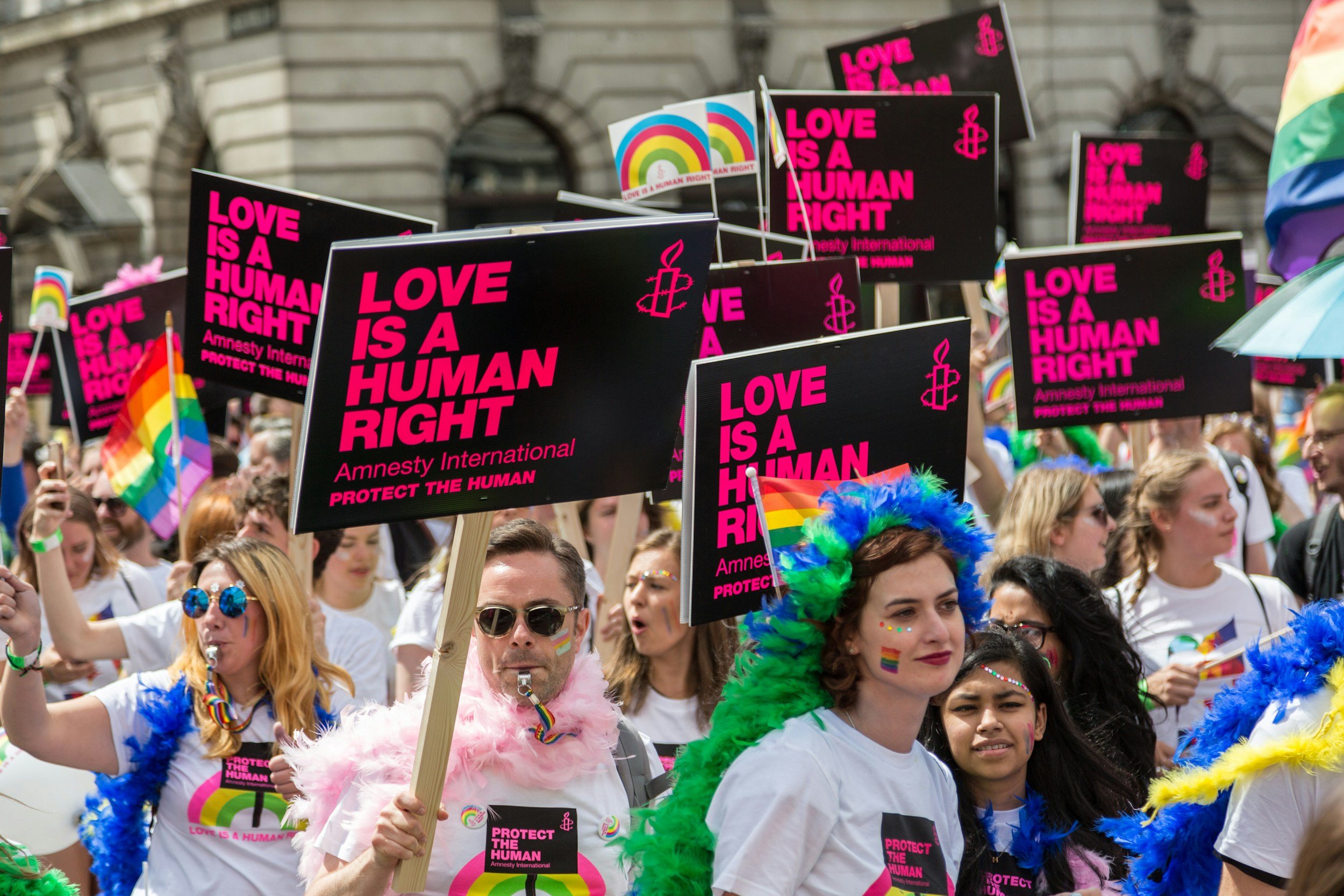
Up to 25% of the animal kingdom show LGTBQ traits.
Humans often project moral judgments onto biology, confusing “unfamiliar” with “unnatural.” History is full of examples where what was once taboo—left-handedness, mental health conditions, neurological differences—was later understood as natural human variation once science caught up.
Sexual orientation and sexual diversity belong in that same category. Crucially, acknowledging this reality does not require abandoning culture, faith, or personal values. It requires something simpler and more demanding: intellectual humility.

Interpreting the 2nd Amendment 250 years later.
As a new nation in the late 18th century without a standing army, a young independent America relied on state militias for defense. Militias were composed of ordinary citizens who were expected to be ready for military service and the phrase ‘well regulated’ was understood to mean a disciplined and well-trained force necessary for the security of a free state. Over time this collective right for protection against tyranny has increasingly been interpreted as an individual right to possess firearms, a view solidified by the Supreme Court in cases such as District of Columbia v. Heller (2008).

Echoes of a Genocide
No two histories are identical—and the Holocaust remains a singular crime. But atrocity prevention is about recognizing patterns early enough to stop the worst from happening. Looking at how Nazi Germany marginalized and brutalized Jews before full-scale extermination, and comparing that to credible warnings being raised today about Palestinians—especially in Gaza—helps clarify urgent risks, responsibilities, and remedies.
This piece draws on widely accepted early-warning frameworks for mass atrocities, then maps key parallels in rhetoric, law, spatial control, collective punishment, and international response. It also names crucial differences—because precision matters when stakes are this high.


Reproductive Freedom & Protection of Life can coexist.
A Compromise Plan on Reproductive Freedom and the Protection of Human Life
The debate over reproductive freedom and the protection of human life is one of the most polarizing issues in contemporary politics. On one side, advocates for reproductive freedom emphasize the importance of a woman's right to choose and have control over her body. On the other, those who wish to protect all human life, including the unborn, view abortion as a moral issue that involves the rights of the fetus. Finding common ground between these two perspectives is challenging, yet crucial for fostering a more united and understanding society. Here is a proposed plan that aims to respect both reproductive freedom and the protection of human life.
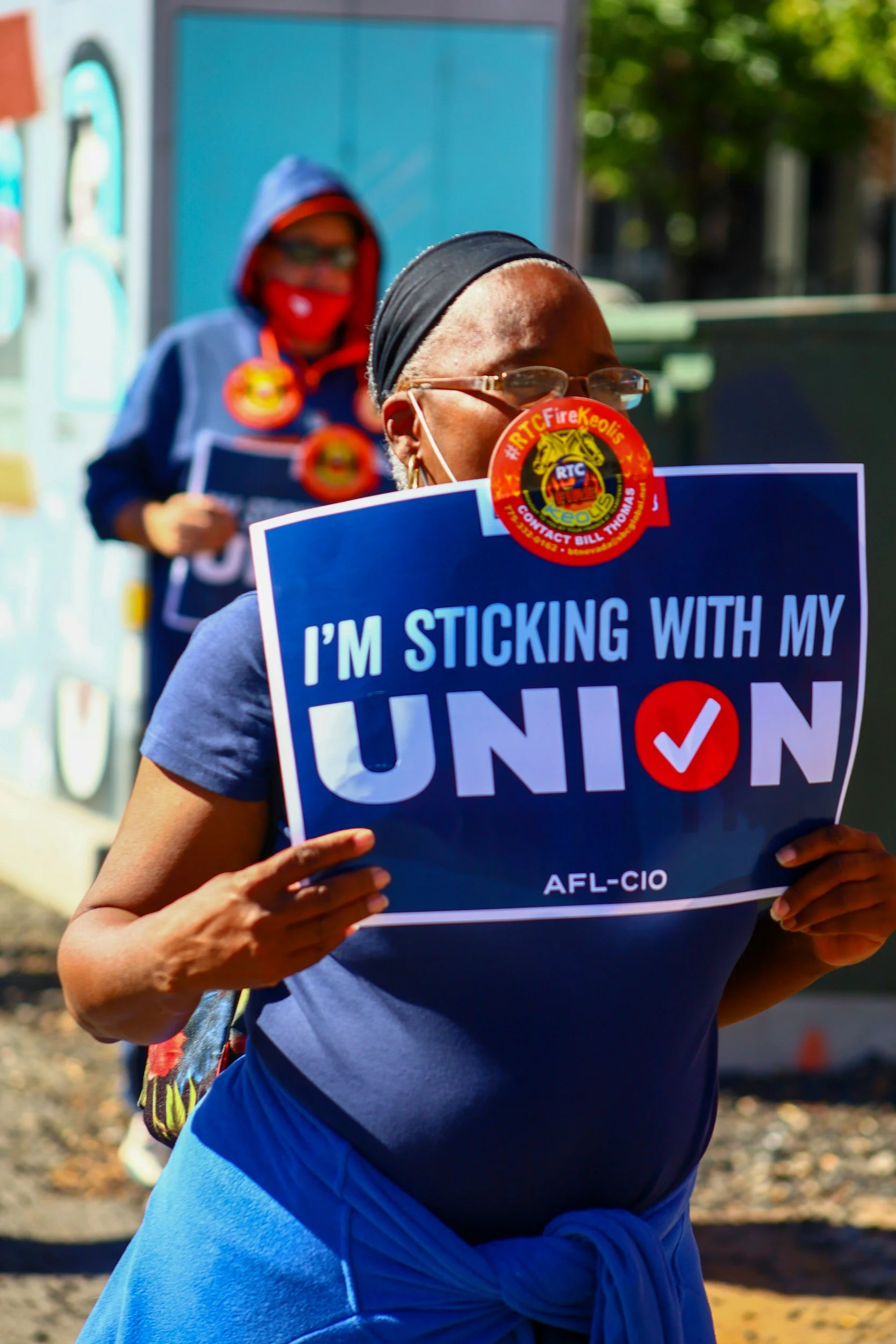
‘Right to work’ is Wrong for Workers.
“Right to work” sounds like freedom. In practice, it’s a corporate playbook to defund unions, depress wages, and tilt power away from the people who make this country run. The slogan sells “choice”; the policy manufactures free riders—workers who benefit from union contracts while paying nothing for the representation that wins them. That is the point. It’s not about liberty; it’s about weakening the only large-scale counterweight ordinary workers have to corporate power.



Hands Off: Why social safety nets are needed.
Public programs like Social Security and Medicaid aren’t just policy successes—they’re moral victories. They represent what America looks like when it takes care of its own.
Privatization is not modernization. It's a cynical attempt to convert public solidarity into private profit, one budget line at a time. If we allow that to happen, we won’t just lose these programs—we’ll lose the social contract that binds us together.
In the richest country in the world, no elder should live in poverty, and no child should go without healthcare. It’s time we stop apologizing for our public programs—and start fighting like hell to protect and expand them.