

Echoes of a Genocide

Of the 70,000+ lives taken in Gaza, more than half are women and children. We MUST ACT!
Early Warning System
No two histories are identical. The Holocaust remains a singular crime but atrocity prevention is about recognizing patterns early enough to stop the worst from happening. Looking at how Nazi Germany marginalized and brutalized Jews before full-scale extermination, and comparing that to credible warnings being raised today about Palestinians in Gaza helps clarify urgent risks, responsibilities, and remedies. This piece draws on widely accepted early-warning frameworks for mass atrocities, then maps key parallels in rhetoric, law, spatial control, collective punishment, and international response. It also names crucial differences—because precision matters when stakes are this high.
The United Nations’ Framework of Analysis for Atrocity Crimes lists risk factors that recur before the worst crimes: dehumanizing speech, discriminatory laws, isolation/segregation, attacks on civilian infrastructure, restrictions on aid, and impunity for abuses. The point is not to force equivalence, but to act when these indicators accumulate.
Parallels in Nazi & IDF Behavior
1) Dehumanizing rhetoric and incitement
Germany, 1930s: State propaganda portrayed Jews as vermin or disease, normalizing social exclusion and violence. The 1935 Nuremberg Laws codified Nazi racial ideology and laid the legal groundwork for escalating persecution. Kristallnacht in 1938 openly targeted Jewish businesses, synagogues, and homes.
Israel/Palestine, 2023-2025: UN human-rights experts have repeatedly warned of dehumanizing rhetoric and a risk of genocide against Palestinians, and the International Court of Justice (ICJ) ordered Israel in January 2024 to take all steps to prevent genocidal acts and to enable humanitarian aid to Gaza explicitly citing concerns over rhetoric from senior officials. The ICJ did not decide the merits of genocide; it imposed urgent provisional measures due to serious risk. OHCHR
2) Law and policy that formalize subordination
Germany, pre-war: Jews were stripped of citizenship, barred from professions, and purged from public life through a thickening web of decrees.
Israel/Palestine, recent decades: Major human-rights organizations like Human Rights Watch, Amnesty Int’l conclude that Israeli authorities operate a system of apartheid and persecution against Palestinians across Israel and the occupied territories—differential rights, movement restrictions, land seizures, and separate legal systems. Israel rejects these characterizations, but the documentation is detailed and widely cited in international policy debates.
3) Spatial segregation and confinement
Germany, pre-war to early war: Jews were progressively excluded from public spaces; formal ghettos proliferated once the war began. The trajectory—from stigma to legal exclusion to physical confinement—was incremental and state-directed.
Gaza and the occupied territories: Long-standing blockade and closure regimes, alongside internal barriers and checkpoints in the West Bank, have sharply limited Palestinian movement. Since October 2023, Gaza has suffered repeated mass displacements, with UN agencies documenting widespread destruction of homes, shelters, health facilities, and the collapse of civilian lifelines. UNOCHA OPT

70% - 80% of all structures in Gaza have been destroyed.
4) Collective punishment and attacks on civilian infrastructure
Germany, pre-war: State-sanctioned mob violence destroyed synagogues and Jewish businesses, signaled police complicity, and transferred huge costs onto the Jewish community.
Gaza, 2023-2025: UN humanitarian reporting describes systematic strikes that have devastated civilian infrastructure, repeated displacement of entire urban areas, and severe aid obstruction producing hunger and malnutrition—especially among children. The ICJ’s orders emphasized the duty to protect civilians and lift impediments to aid. None of this negates Hamas’s atrocities on 7 October 2023 or Israel’s right to defend civilians from attack; it underscores legal limits on how war may be waged.
5) International response: from hesitation to law
1930s: International hesitation and appeasement emboldened persecution; doors stayed closed to most Jewish refugees until it was too late.
Today: Unlike the 1930s, there are institutions like the ICJ, UN special procedures, independent investigators that are issuing binding and persuasive warnings and orders. Whether states enforce those measures is the test that history will record.
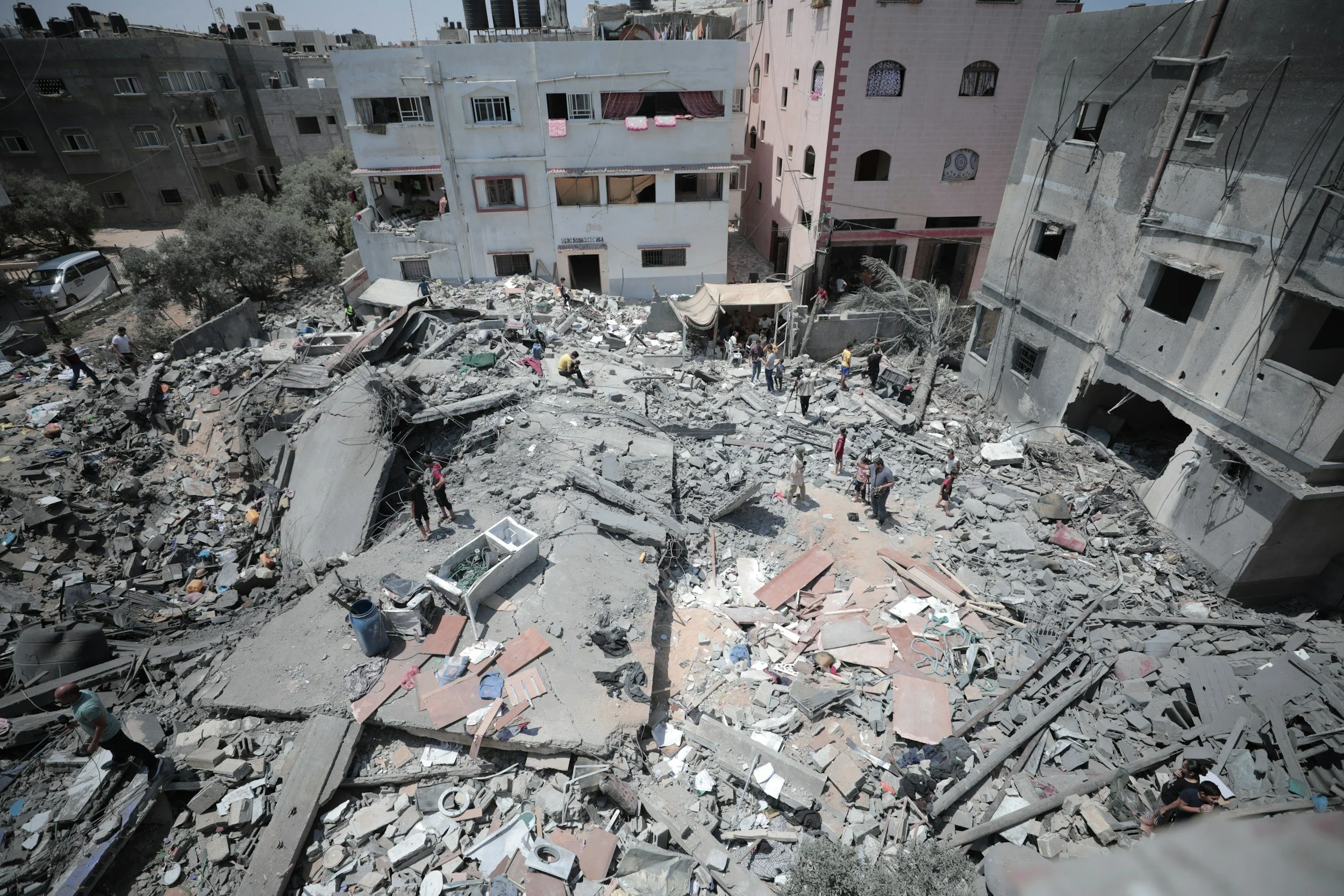
“The worst-case scenario of famine is currently playing out in Gaza,” UN-backed food security experts said in a call to action amid unrelenting conflict, mass displacement and the near-total collapse of essential services in the war-battered enclave.
6) Why the comparison is ethically necessary.
The lesson genocide scholars and the UN’s prevention doctrine keep repeating is simple: Don’t wait for certainty. Look for converging risk indicators and act to reduce the risk for civilians on all sides. The comparison is not about equating sufferings; it’s about refusing to normalize dehumanization + discriminatory systems + siege conditions + aid obstruction. A mix that history associates with catastrophe.
What can we do now? Push your representatives for the following: Stop aid to Israel via any type of military or financial support. Recognize Palestine as a state and provide humanitarian aid to their people. Enforce the ICJ’s provisional measures: protect civilians; allow adequate food, water, medicine, and shelter to flow; prevent and punish incitement.
Concrete compliance with international law and credible mitigation of civilian harm which are standard practice in atrocity-prevention policy. Independent investigations and accountability for all parties (including Hamas and Israeli forces), with survivor-centered reparations. Equal rights, due process, and freedom of movement are non-negotiable foundations for durable peace.
Counter dehumanizing speech from officials and influencers alike; sanction incitement per international law. History’s blunt warning is that atrocity risks rise when a targeted people are dehumanized in speech, subordinated in law, and trapped without protection as violence escalates. Those dynamics defined the 1930s and key elements are visible today. The question is whether we heed the alarms in time.
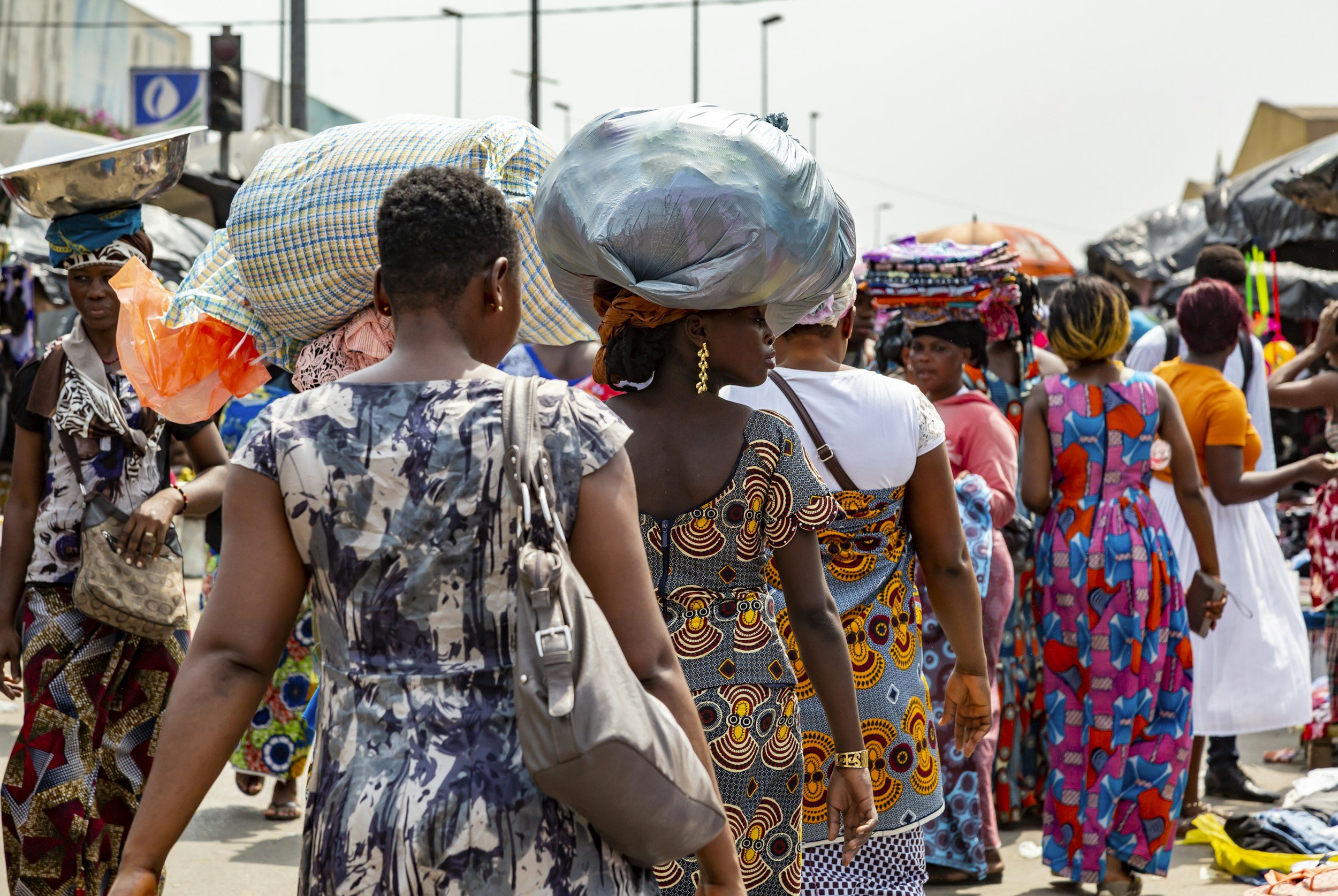
Islamic State - West Africa (Nigeria)
Boko Haram origin: This faction separated from Boko Haram in 2016, pledging allegiance to the Islamic State. Estimates show that 100,000 Christians were killed over the last 15 years by Jihadist Militants. This includes 18,000 churches that were burned.
The Islamic State – West Africa Province (ISWAP) is a Salafi jihadist militant group operating primarily in the Lake Chad Basin, including Nigeria, Niger, Cameroon, and Chad. As an offshoot of Boko Haram, ISWAP has become a significant insurgency force, with its leadership structure and specific commanders often evolving due to military actions.
Arab Ethnic Cleansing (Sudan)
Civil war: Sudan plunged into a civil war in April 2023 after a vicious struggle for power broke out between its army and a powerful paramilitary group, the Rapid Support Forces (RSF). It has led to a famine and claims of a genocide in the western Darfur region - with fears for the residents of city of el-Fasher after it was recently captured by the RSF. More than 150,000 people have died in the conflict across the country, and about 12 million have fled their homes in what the United Nations has called the world's largest humanitarian crisis.
https://www.bbc.com/news/articles/cjel2nn22z9o