

Fixing a Broken K-12 System
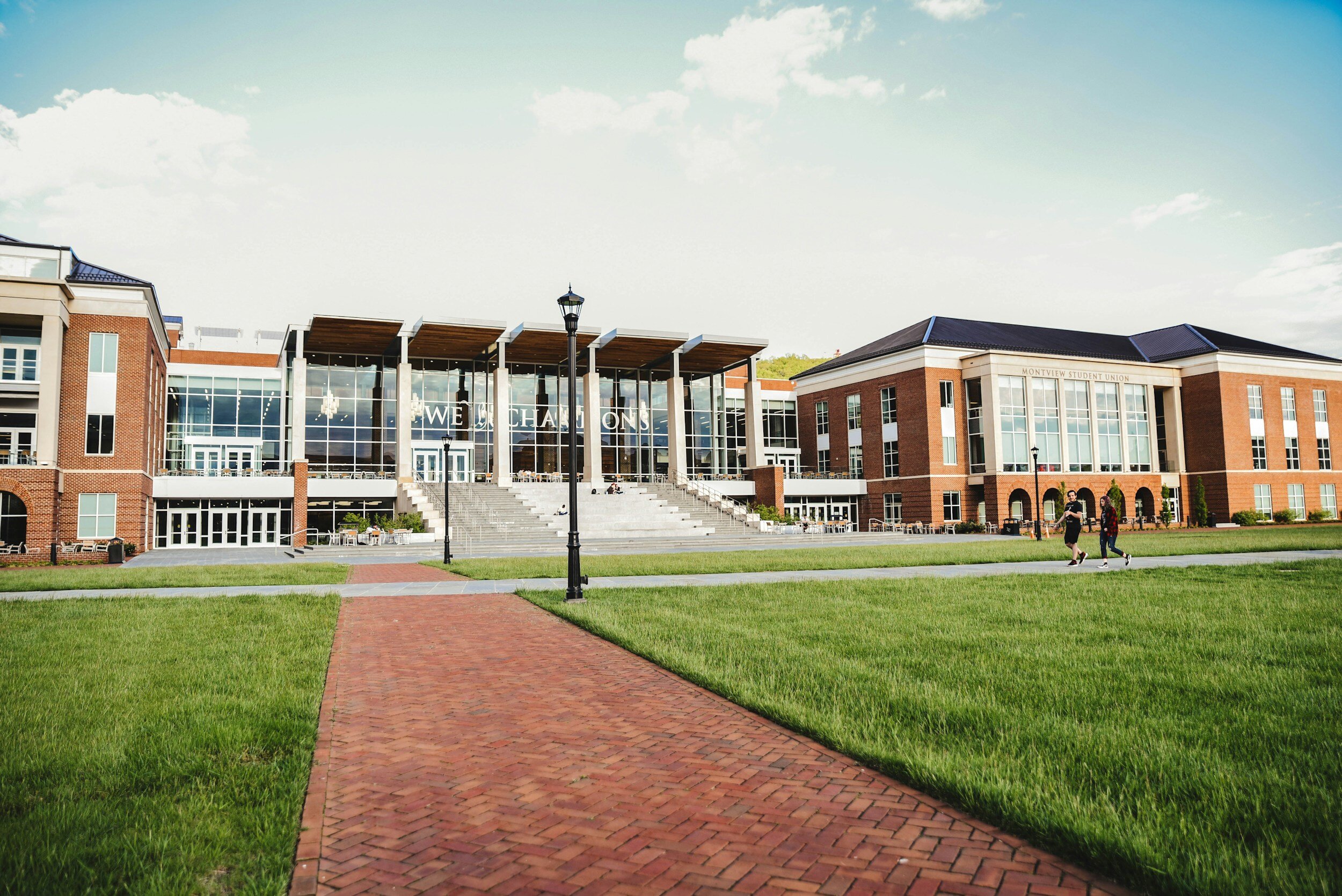
Our public education system is in urgent need of major renovations. A comprehensive reform that provides multiple pathways to success and prioritizes the development of essential life skills over mere academic achievement. This revamp includes expanding early childhood education, shifting to natural skills and talents that can be nourished, and seeing education as something that continues long past your teen years or early twenties. To reimagine public education for the next century will require all hands on deck. This is not as much a prescription as it is calling for combined action and places we can start the dialogue.
While a lot is uncertain, there is one thing that needs addressed. Treating public teachers with the respect they deserve and paying them what they’re worth. If we had the courage, we could recruit the best and brightest to the schools across the nation. Instead they are lured into corporate America, recruited by the big three industries (finance, legal, consulting). Instead we should create a U.S. Teacher Corps, cherish education of each generation and watch results improve. Clearly the status quo is not working.
As a country we are not even doing good with our current model. U.S. 15-year-olds globally rank 9th in reading, 16th in science, and 34th in math. For too long, the focus on standardized testing and grades has overshadowed the importance of preparing students for real-world challenges. We can now integrate vocational training, critical thinking, financial literacy, and emotional intelligence into the curriculum. Reflecting the similarities between school and work can foster a more well-rounded, adaptable, and resilient generation. This shift would ensure that every student regardless of their academic talent has the opportunity to thrive and contribute meaningfully to society. Practical skills and diverse educational pathways will better equip our youth for the complexities of modern life, ultimately strengthening our economy and democracy.
This plan aims to create a more equitable, adaptable, and forward-thinking education system that not only meets the diverse needs of students but also prepares them for the challenges of the 21st century.
Phase 1: Research and Stakeholder Engagement
Initiate studies to understand the current challenges and successes within the K-12 system, focusing on early education and post-high school opportunities. Include teachers, parents, students, educational experts, and policymakers in discussions to gather diverse insights and needs. Determine specific needs for expanding pre-school education and post-high school options, considering factors like accessibility, curriculum relevance, and workforce alignment.
Phase 2: Early Education Expansion
Implement universal access to pre-school education for 3- and 4-year-olds, emphasizing play-based learning, social skills, and foundational literacy and numeracy. Enhance early childhood educator training programs and provide ongoing professional development and support. Invest in educational infrastructure to accommodate increased enrollment, ensuring facilities are equipped for early childhood education.
Phase 3: High School Curriculum Reform
Revise high school curricula to include a broader range of subjects, including life skills, financial literacy, digital literacy, and civic education. Expand CTE programs to offer pathways in trades, technology, and other high-demand sectors, ensuring programs align with industry needs. Implement flexible learning models, such as project-based learning, online courses, and apprenticeships, to cater to diverse learner needs and interests.
Phase 4: Post-High School Opportunities
Develop a national public service program offering recent graduates opportunities in community service, environmental projects, and other areas contributing to societal well-being, unlocking further educational or entrepreneurial grants. Increase access to college, trade, and vocational schools through scholarships, grants, and loan forgiveness programs, particularly for participants in public service. Create a fund to provide grants and mentorship to young entrepreneurs, with a focus on solving societal challenges.
Phase 5: Implementation and Evaluation
Launch pilot programs in diverse districts to test and refine the proposed changes before nationwide implementation. Establish mechanisms for ongoing assessment and feedback, using data to inform adjustments and improvements. Implement a comprehensive communication strategy to keep the public informed and engaged, emphasizing the importance of community support for educational reform.
Phase 6: Scaling and National Implementation
Work with lawmakers to secure the necessary funding and policy support for nationwide implementation. Form partnerships with non-profits, corporations, and community organizations to leverage additional resources and expertise. Develop plans for the sustainable funding and continuous improvement of the education system, ensuring it remains adaptable to future needs and challenges.
This ambitious plan requires collaboration across all levels of government, the private sector, and communities. It represents a holistic approach to not only extend educational opportunities but also to cultivate a more informed, skilled, and engaged citizenry ready to tackle the complexities of the modern world.
