

Human Evolution 2.0
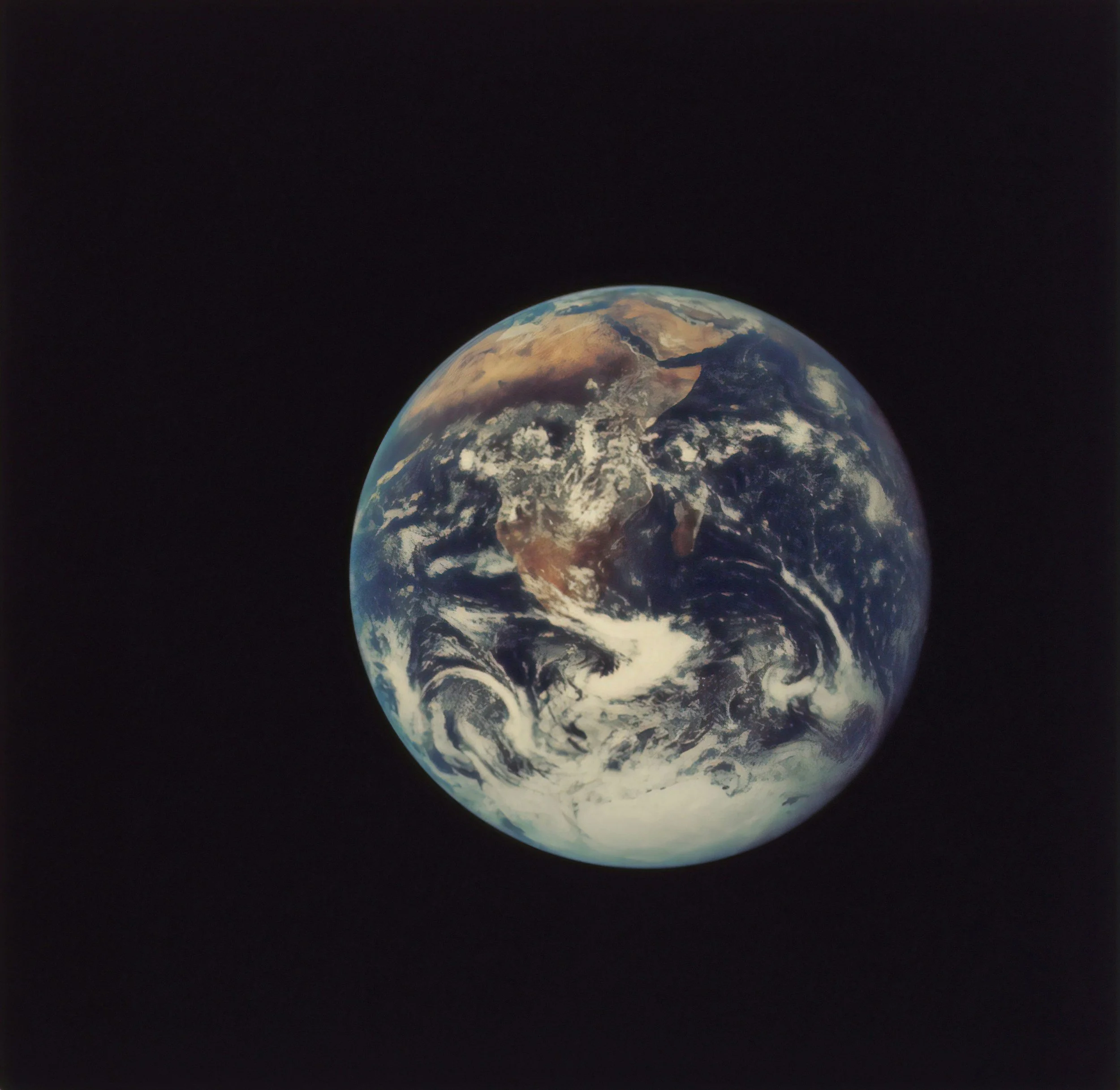
We know of NO OTHER planet that contains life capable of exploring the Milky Way galaxy, much less the entire universe. Can we survive ourselves?
Humanity is old enough to know better and young enough to learn from the past and do better in the future. For most of our history, tribal instincts were survival tools: find your group, guard your resources, distrust the unfamiliar. That software helped small bands endure famine, predators, and uncertainty. But the world we live in now is not a scattered landscape of isolated villages. It’s a single, tightly connected system - financially, ecologically, technologically, and emotionally. The reality of it all is that we are the first generations alive with the tools to see that truth in real time. We have the choice to chart a new path for humanity.
Yet the immensity of what we don’t know still amazes. Humans can only see 0.0035% of the Electromagnetic spectrum, have explored less 0.1% of the Solar System, and only understand how 5% of the Universe works. The terms dark matter and dark energy literally refer to our ignorance. Yet that isn’t stopping countries of today from developing weapons that could kill the entire species or risk nuclear winter. It isn’t stopping corporations of today from diving headfirst into artificial intelligence without guardrails. Clearly we are not slowing the destruction of our only ecosystem. Are we really an advanced species?
(Homo Sapien) translates to Wise Man
Maybe we should reclassify? What’s your choice?
Homo Parasitus (Parasitic Man)
Homo Ignarus (Ignorant Man)
Homo Mutus (Dumb Man)
For the first time, human beings can watch a wildfire leap a ridge from a satellite feed, see a flood rise street by street on someone’s phone camera, or follow the ripple effects of war and scarcity across continents in hours. We can witness both suffering and courage instantly, acts of cruelty and acts of solidarity, without waiting for history books to catch up. That visibility is not just information; it’s an invitation to maturity. It’s proof that the lines dividing “us” and “them” are thinner than we were taught, and that our greatest threats don’t check passports.
Climate disruption, pandemics, cyberattacks, AI misuse, water stress, mass displacement - all of which are species-level challenges. You cannot out-tribe a burning planet.
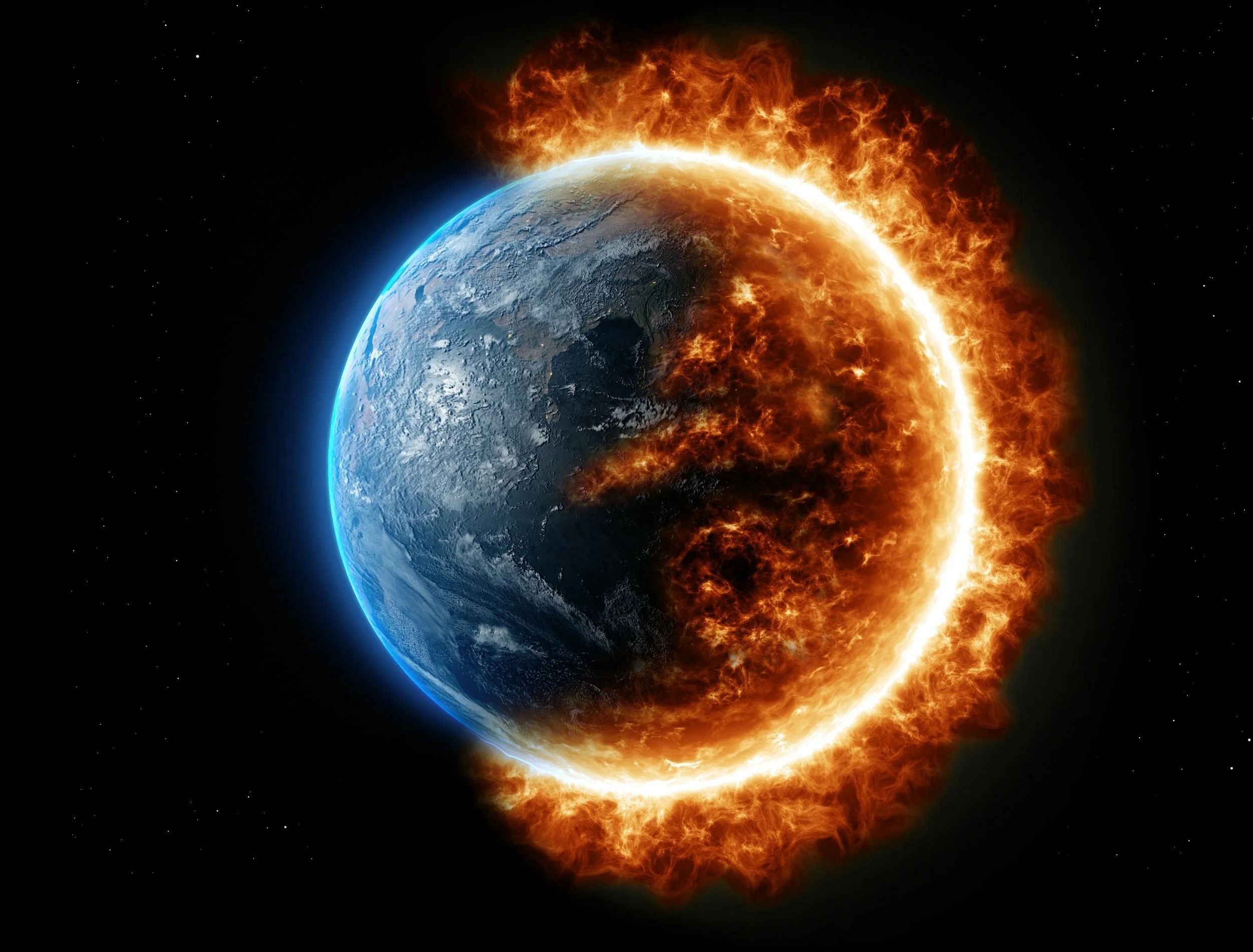
Planet Earth has already seen 5 Mass Extinction Events, hopefully humanity doesn’t cause the 6th.
The good news is that tribalism isn’t destiny. It’s a default human setting that can be changed. We already see early versions of that evolution: global scientific collaboration that shares discoveries at a pace no single nation could match. Mutual-aid networks that form overnight when disasters strike; open-source communities that build tools for strangers they’ll never meet. Young people who instinctively think in systems like supply chains, ecosystems, and feedback loops because their lives have been lived inside a networked world. This is what evolution looks like in a modern species: not new bones, but new norms. Not sharper teeth, but wider circles of empathy and responsibility.
If we fail to outgrow the love of war, the patriotic thrill of conflict, the cost won’t be symbolic, it will be biological. The planet doesn’t negotiate with ideology, and physics doesn’t care about our flags. Our technologies are now powerful enough to amplify our worst impulses into irreversible consequences. But those same technologies when guided by wisdom can help us heal, adapt, and build resilience at a scale never before possible. The fork in the road is not technology. It’s ethics. It’s whether we choose cooperation as a strategy, not as a slogan.
What will history write about our generations actions? Or lack thereof?
Future generations will inherit the story we write right now. They will either celebrate this era as the moment humanity graduated, when we finally recognized that being “one species” mattered more than being “one faction” or they will study our failures as a warning about intelligence without maturity. The optimistic truth is this: we still have time to be the ancestors our descendants deserve. We can evolve past tribalism by widening the definition of “we,” by rewarding bridge-building over outrage, by choosing institutions that unite rather than divide, and by treating the Earth not as a battlefield, but as a shared home. Out of many, one isn’t just a motto. It’s the next step in human evolution.
Remember, we are the first set of generations alive that have the knowledge, technology, information, and ability to see what is happening nearly everywhere on the planet at all times and choose to do better. If we don’t evolve past tribal tendencies like conflict, I fear we may cause a mass extinction on a scale that modern civilization has never seen. Future generations can either cheer our actions or point to them and judge us as inadequate to face the challenges presented to us.