

The President IS NOT King.
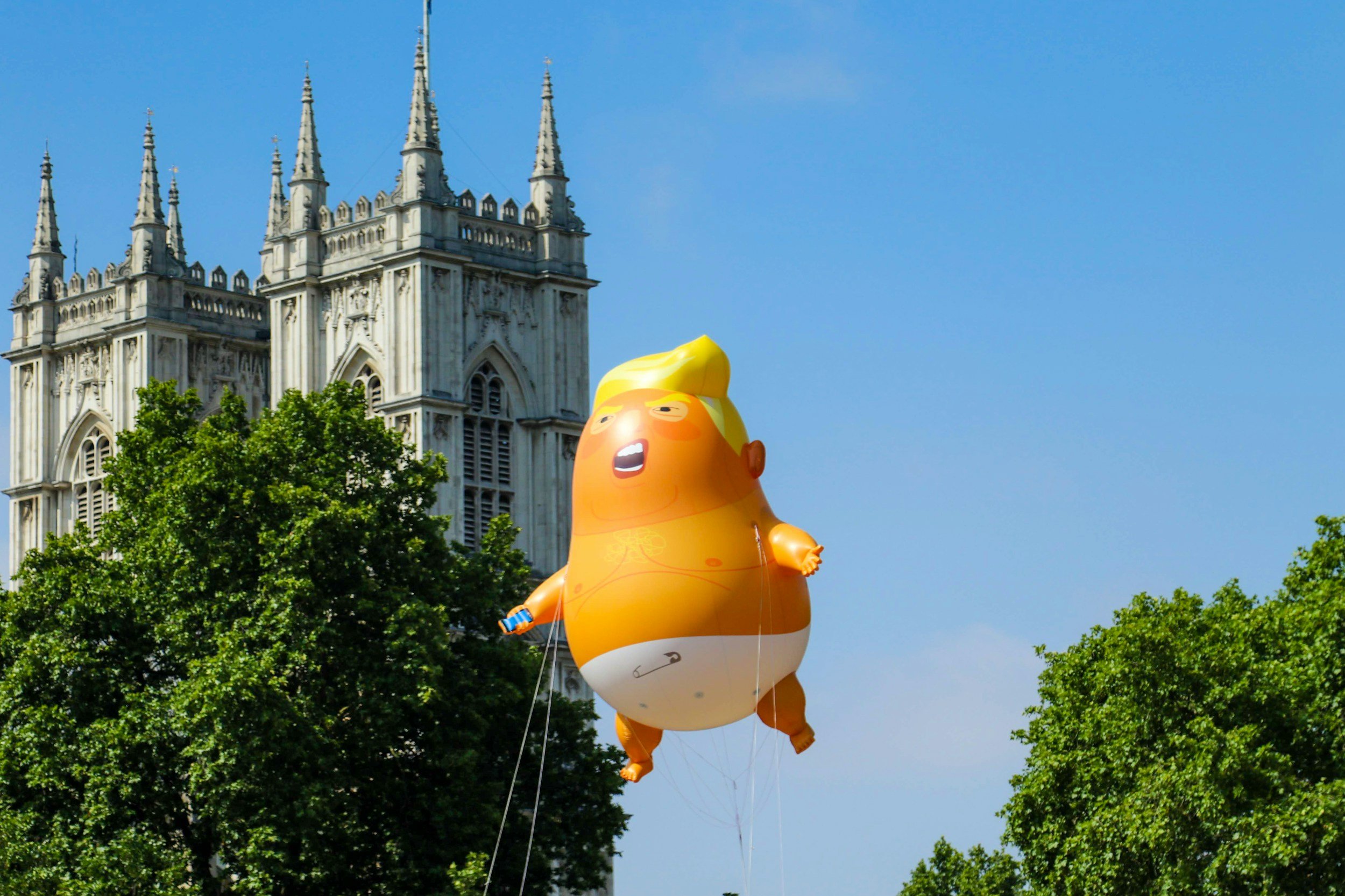
Trump wants us to believe he is the rule-maker, the king of the castle, the ultimate decision maker. But that IS NOT what our founders intended for the presidency. The Constitution locates power in institutions, not personalities. The Founding Fathers established Congress as the first and most crucial branch of government, emphasizing its role as the direct representative of the people. Before the presidency was created, Congress was designed to be the voice of the citizens, crafting laws and maintaining checks on power.
Article 1 established Congress
Article 2 established the Presidency
Article 3 established the Supreme Court
The bicameral structure of Congress, dividing power between the House of Representatives and the Senate, was meant to ensure both proportional and equal representation. The Founders believed that a functioning Congress, beholden to the people rather than special interests, was essential for democracy. They envisioned it as a safeguard against tyranny, ensuring that government would always be accountable to its citizens and focused on the common good. Unfortunately our forefathers didn’t foresee a Congress that would completely neuter itself and disregard its responsibility. Now we have a White House that treats Congress’s powers as optional, treats legal limits as speed bumps, and doesn’t just break norms but is eroding the text of the Constitution itself.
Mind you that we declared independence from a King in 1776 for these four reasons. Standing armies without consent, cutting off trade with the world, transporting armies to complete works of death, and depriving trial by jury. That was 250 years ago and what is Trump doing now?
Standing Armies w/o Consent - Trump sent National Guard and Marines into domestic situations in violation of Posse Comitatus, against the will of lawful State Governors.
Cutting off trade with the world - Trump has single handedly caused global disruption with his executive order Tariffs, forcing American consumers to foot the bill.
Transporting Armies to complete works of death - Trump has violated the War Powers entitled to Congress and unilaterally decided to strike Iran, Venezuela, and what he deemed as drug trafficking boats in the Caribbean and off the West coast.
Depriving Trial by Jury - Trump’s administration is snatching people off the streets without due process
Those are just his desecrations to the Declaration of Independence. He continues to desecrate the Constitution in various ways.
Here are violations of Article I of the Constitution by him or his administration.
Article I Section 2 - Redistricting is to occur every 10 years after the US census. Trump has pushed Republican controlled states to redistrict mid-cycle for his personal benefit.
Article I Section 7 & 8 - All bills to raise Revenue via Tax, Duties, or Excises must originate in the House. The Legislative branch manages commerce with foreign nations. Trump’s senseless tariffs, done unconstitutionally via Executive Order have weakened the US economy, hurt our national standing, and has no economic benefit for the people of the country.
Article I Section 9 - Privilege of Habeas Corpus shall not be suspended. No person can accept gifts from Kings or Foreign States. Trump’s DHS, ICE, CBP have snatched people rightfully here, without a criminal record, for senseless deportation. Trump has also taken a $400 million dollar jet from Qatar, I’m sure no strings attached there.
Here are violations of Article II of the Constitution by him or his administration.
Article II Section 2 - Personal use of pardons on people that have done harm against the United States or its people. Whether it’s the January 6th insurrectionist, Wall Street and Crypto bros, or simply anyone that gives enough money to him or his campaign is clearly a violation of the intended use.
Here are violations of the 4th Amendment by him or his administration.
The right of people to be secure in their persons, houses, papers, and effects from unreasonable search and seizure. Again, Trump’s lackies have drug American citizen’s out of their homes without warrants, utilized their surveillance state to crack down and track those who speak out against their wishes.
Here are violations of the 14th Amendment by him or his administration.
Section 1 - All persons born here are citizens, no person can be deprived the right to due process. Trump is attempting to reverse birthright citizenship, has violated due process through deportation tactics.
Section 3 - No person shall be President that shall have engaged in insurrection or rebellion, or given aid or comfort to the enemies thereof. This should have disqualified him from running again in 2024, so in my opinion, he is violating this amendment having engaged in the January 6th insurrection.
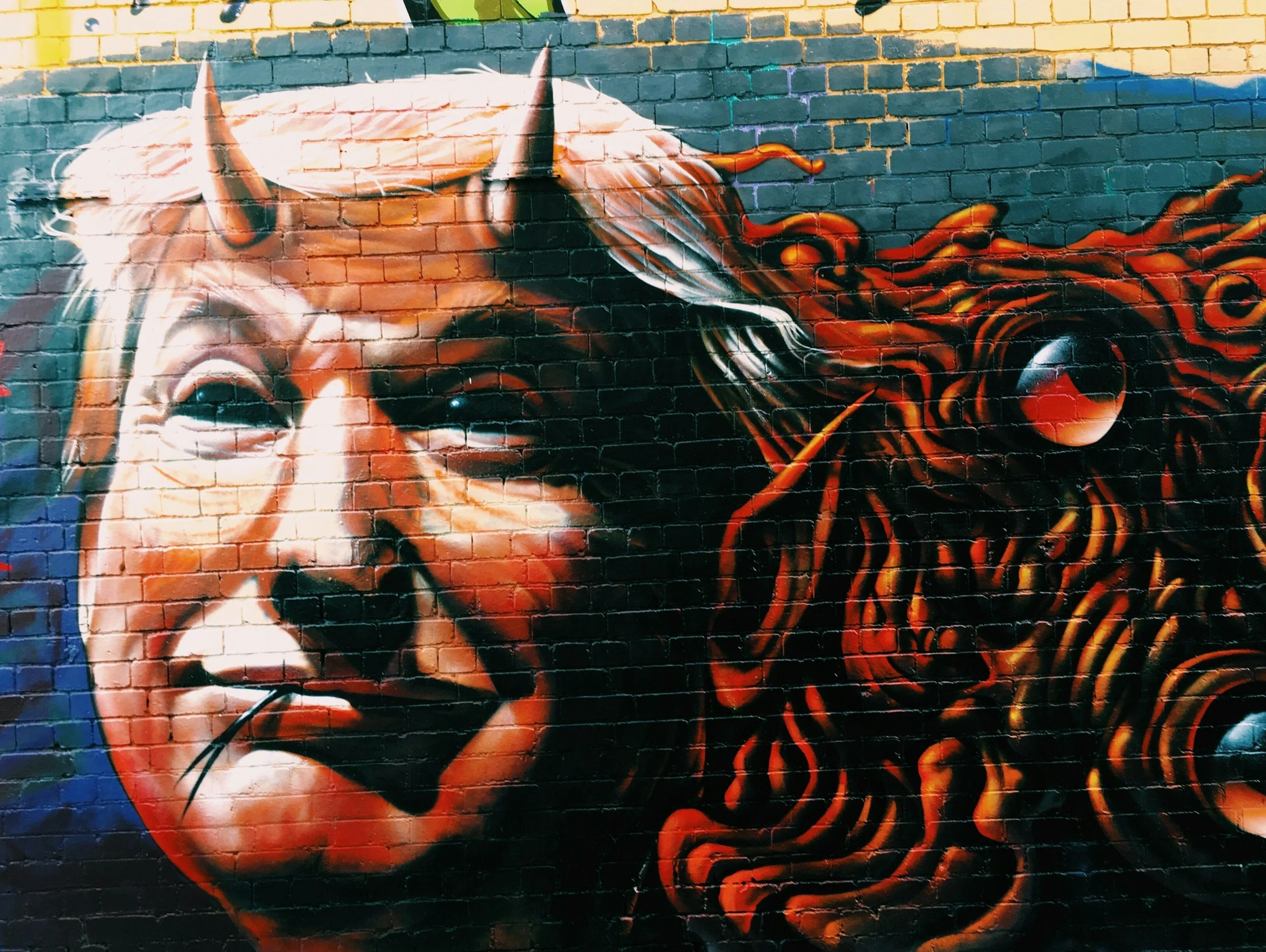
Trump IS a Liar & Con-artist
Most people likely think that politicians lie. But the unethical lines crossed by Trump’s shape-shifting should be documented as to hold him accountable to future generations. Listen to the folks that he picked during his first term as president.
Former White House Chief of Staff General John Kelly said, "The depths of his dishonesty is just astounding to me. The dishonesty, the transactional nature of every relationship, though it’s more pathetic than anything else."
General James Mattis, Former Secretary of Defense said, "Donald Trump is the first president in my lifetime who does not try to unite the American people — does not even pretend to try. Instead, he tries to divide us."
General H.R. McMaster, Former National Security Advisor said, "Our long-term security depends on strategic competence and confidence — not strategic narcissism. It's disappointing to see actions taken that are based purely on politics and not on what's best for our country."
On the campaign trail this time he claimed not to know anything about Project 2025, so how did six of its authors or contributors end up in his administration? Despite Trump's public attempts to distance himself from Project 2025, these individuals were deeply involved in drafting its, policies and recommendations.
Russell Vought (Director of the Office of Management and Budget): A central architect who wrote chapters on expanding executive power and the "180-day playbook".
Tom Homan (Border Czar): Contributed to the Project 2025 policy, focusing on border security.
Brendan Carr (Chair of the Federal Communications Commission): Wrote the FCC chapter in the Mandate for Leadership.
John Ratcliffe (Director of the Central Intelligence Agency): Contributed to the project's policy framework.
Peter Navarro (Senior Counselor for Trade and Manufacturing): Outlined economic plans included in the project.
James Braid (Director of the Office of Legislative Affairs): Taught for the project's training program.
What may be worse is "Project 2025" can be critiqued for promoting a dangerously authoritarian ideology under the guise of restoring constitutional governance and conservative values. Its underlying ideology is fraught with authoritarian tendencies. The centralization of power, erosion of democratic norms, ideological extremism, and threats to civil liberties are all red flags that should concern anyone committed to preserving the democratic principles and pluralistic values that underpin American society. Here are the key points of concern:
Authoritarian Tendencies
Centralization of Power: The document's emphasis on dismantling the administrative state and concentrating power within a conservative executive branch raises alarms about the centralization of authority. This approach could undermine the checks and balances essential to a healthy democracy.
Personnel as Policy: The insistence on having a vetted, trained, and ideologically aligned cadre of personnel to implement the conservative agenda from day one suggests a preference for loyalty over competence. This could lead to an echo chamber effect, where dissenting opinions are silenced, and critical oversight is diminished.
Erosion of Democratic Norms
Control Over Federal Agencies: The detailed plans for major federal agencies imply a sweeping overhaul to ensure they align strictly with conservative ideologies. This could compromise the independence of these agencies, making them tools for political agendas rather than servants of the public interest.
Disregard for Pluralism: The document's framing of contemporary issues, such as the so-called "Great Awokening," and its disparaging view of diversity and inclusion initiatives, reflects a deep intolerance for pluralism. This antagonism towards differing viewpoints and social progressivism is a hallmark of authoritarian regimes.
Ideological Extremism
Anti-Government Rhetoric: The frequent attacks on the federal government as a "behemoth" weaponized against citizens create a narrative of us-versus-them. This rhetoric can foster division and distrust in public institutions, eroding the social fabric and paving the way for autocratic governance.
Historical Revisionism: The document draws heavily on a nostalgic view of the Reagan era, glossing over the complexities and challenges of that time. By idealizing this period, the authors promote a simplified, black-and-white view of history that ignores the nuances and diversity of the American experience.
Threats to Civil Liberties
Aggressive Policy Stances: The document's stance on issues such as immigration, national security, and social policies suggests a readiness to adopt aggressive, potentially oppressive measures. This can lead to the erosion of civil liberties, particularly for marginalized and vulnerable communities.
Weaponization of Cultural Issues: The portrayal of cultural and social progress as threats to traditional values sets the stage for policies that could roll back hard-won rights and freedoms. This approach fosters an environment where cultural conformity is enforced, and dissent is punished.
This Project 2025 document as does Trump, rather than offering a vision for a better future, risks dragging the country towards a more divisive and authoritarian trajectory.