

A.I. B.S.
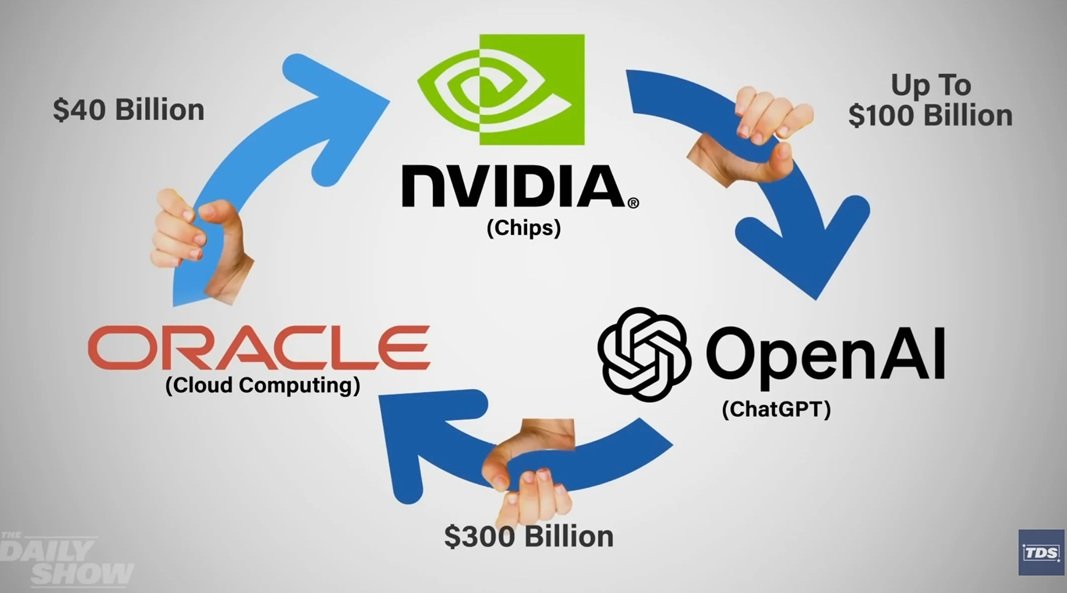
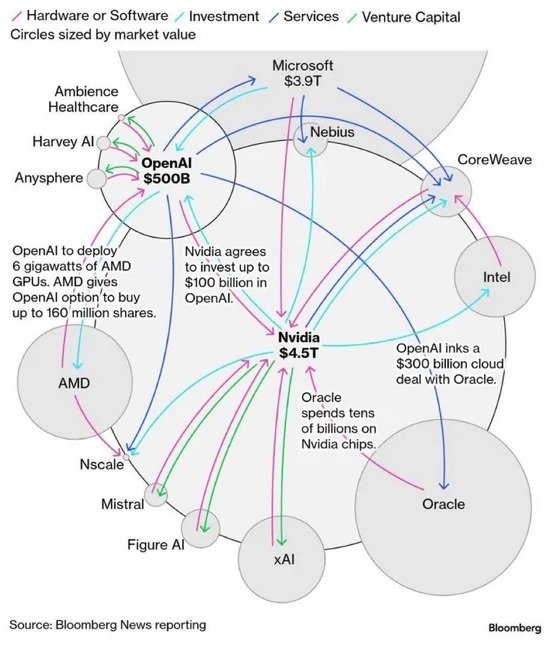
The term "AI tech circle jerk" refers to the increasingly common argument that the artificial intelligence industry is currently driven by a self-reinforcing, incestuous feedback loop of investments, rather than organic, consumer-driven demand.
AI has been making grandiose promises since it started offering consumer subscriptions. Sam Altman of ChatGPT / OpenAI, proclaimed that AI will cure disease, solve climate change, and usher in new widespread economic wealth and prosperity among other things. To me, this is starting to sound a lot like snake oil. Are the big tech companies running a Ponzi scheme to suck wealth from every faucet they can? They’ve already captured the attention of idiots on Wall Street that are ready and willing to wreck 401ks again. What may be worse than lost pensions or retirement savings, is the complete loss of job markets by AI in the workforce. Ponder for a moment the inability for society to even save enough for retirement.
So ask yourself why the AI industry doesn’t want to be regulated? What are they concerned about that they won’t acknowledge out loud? Short answer, while entire jobs rarely disappear overnight, a lot of ‘task bundles’ will be automated fast. Credible studies agree that generative AI can automate a big chunk of what knowledge workers do, with the heaviest impact on routine, clerical work. But blue-collar cuts are not out of the question either. Below is a look at what careers or professions could be impacted by AI. Split into groups of 5 to 10 years, approximately 50 years, and jobs largely already replaced. While most research finds AI impacts white-collar work more directly now, blue-collar exposure tends to grow from gains in robotics + machine vision + autonomy in predictable environments.
Most exposed job categories in the next 5 to 10 years
Rule of thumb - if the work is repetitive in nature plus rules-based and in a controlled space, it’s ripe for automation. If it leads to variable outcomes in a complex outdoor environment and requires improvisation, it’s harder to replace. Administrative. Employers expect the steepest cuts here by 2027 as digitalization and AI eat repetitive workflows. Think fewer people per process, not zero people. Customer support. Chatbots are on track to become the primary service channel for 25% of organizations by 2027 and humans will shift to escalations and retention.
Basic content production & reporting. Template journalism, product descriptions, SEO copy heavily automated while the humans move upstream to analysis and enterprise stories. Legal ops & compliance support. Document review, contract analysis, and citation checking are seeing rapid AI adoption. Lawyers keep judgment calls, strategy, and client work.


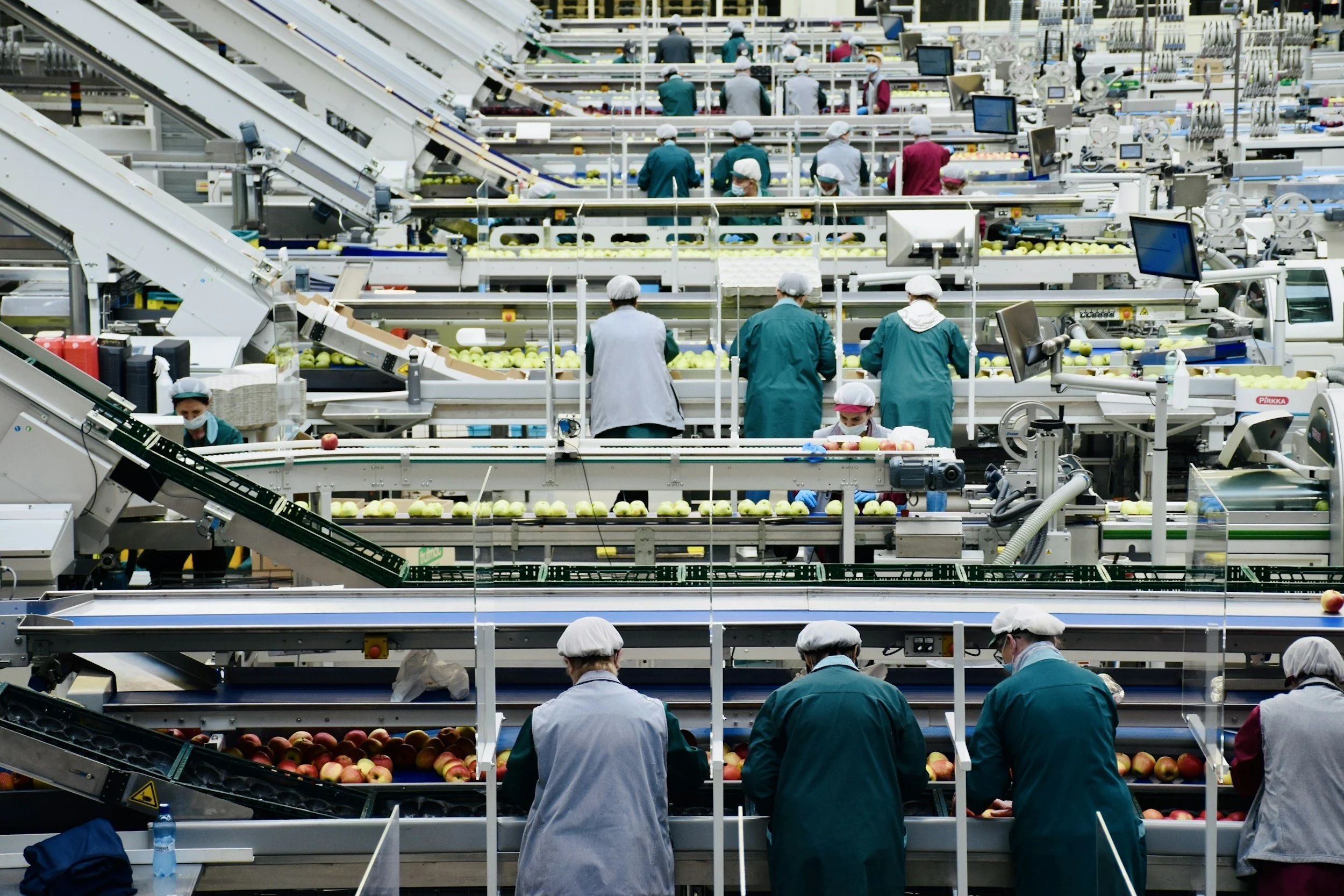

Finance & insurance operations. Routine underwriting, KYC/AML monitoring, claims adjudication, and management reporting become AI driven while human analysts focus on exceptions and cross-functional decisions. HR operations. Resume screening, JD drafting, interview scheduling, and policy Q&A are increasingly automated and human HR partners concentrate on org design and sensitive people issues. Manufacturing floor. Assembly operators; machine tenders; palletizers; parts pickers; in-line quality inspection. Industrial robots are expanding fast—> 4.28M robots now operate in factories worldwide, and automotive lines are especially dense. Expect continued substitution of routine stations and inspection.
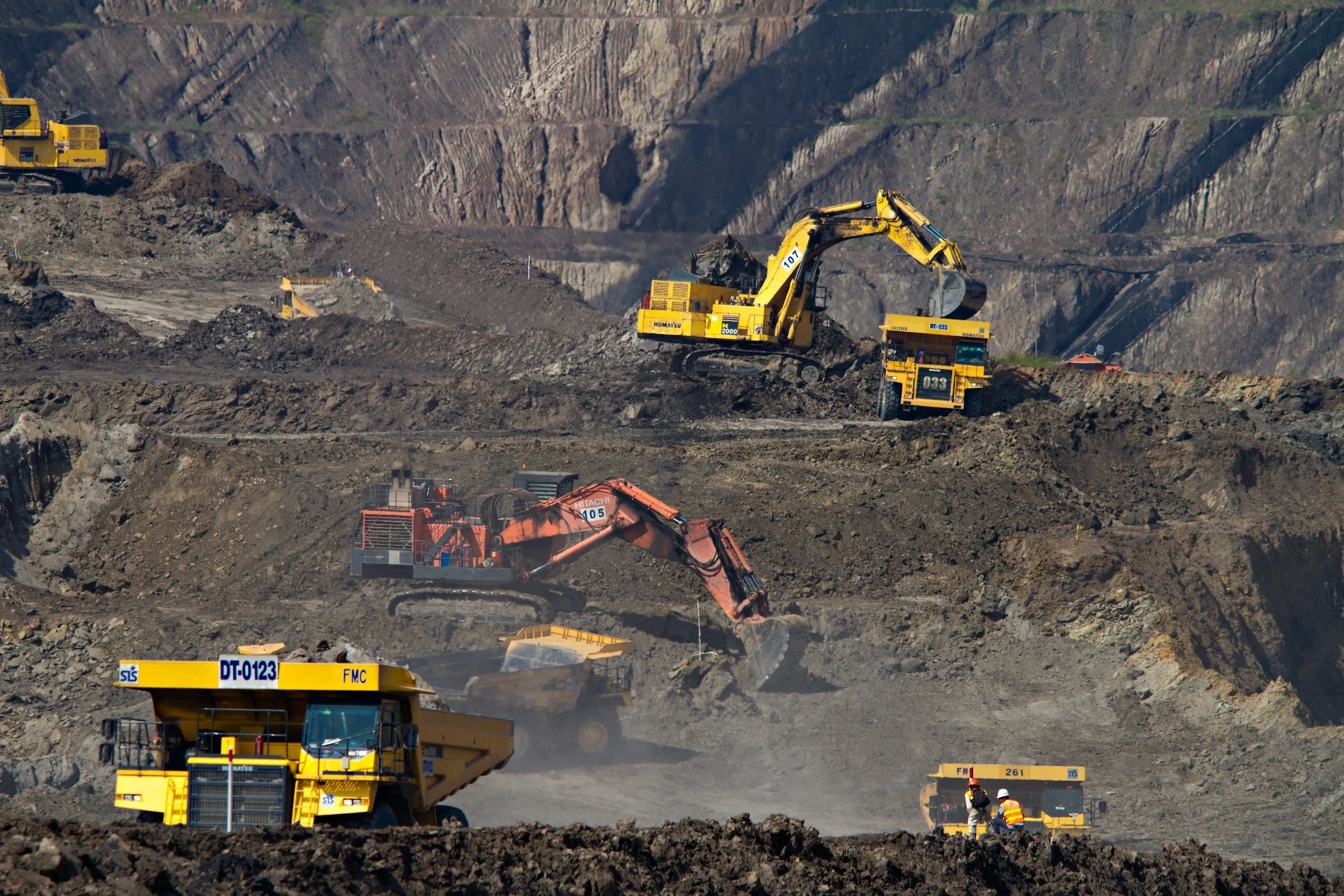
Warehousing & logistics. Pallet movers, order pick/pack in highly standardized DCs, forklift ops, automated sortation. McKinsey projects only ~¼ of warehouses automated by 2027, so 2025–2032 is a scale-up period where displacement rises as sites standardize. Mining & heavy industry. Haul-truck drivers, some drilling/blasting prep, and rail haulage: large-scale autonomy is already here and expanding. Komatsu reports >750 autonomous haul trucks, and Caterpillar is pushing autonomy into aggregates/quarries. Expect steady role shift from driving to remote ops/maintenance.
Trucking. Long-haul Class-8 on fixed Texas corridors is beginning commercial driverless ops but scaling remains gradual and contested (regulation, ODD limits). Think corridor-specific displacement plus new “tele-operations/terminal” roles. Food service back-of-house. Fry station, bowl/salad makelines, basic prep pilots and phased rollouts. For example White Castle’s “Flippy,” or Chipotle’s Autocado/Augmented Makeline. Expect augmentation and localized displacement where volumes are high and menus are standardized.
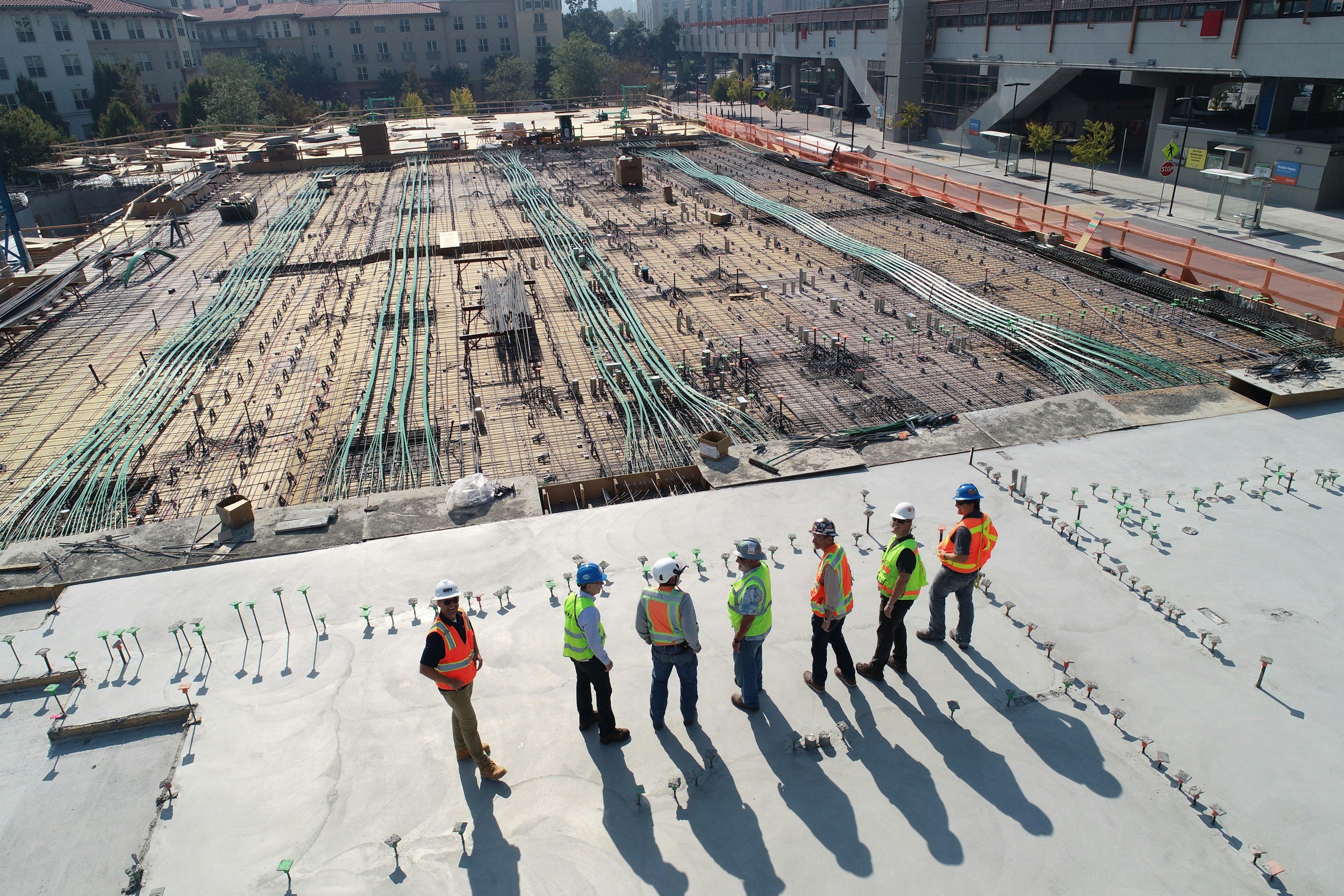
Commercial cleaning. Floor-care teams in big-box retail store and airports increasingly share work with autonomous scrubbers where displacement is partial and mostly on repetitive floor passes. Construction. Layout printing, rebar tying, and overhead drilling are moving from pilots to recurring use. These shave large chunks of labor hours on repetitive sub-tasks but don’t remove whole trades.
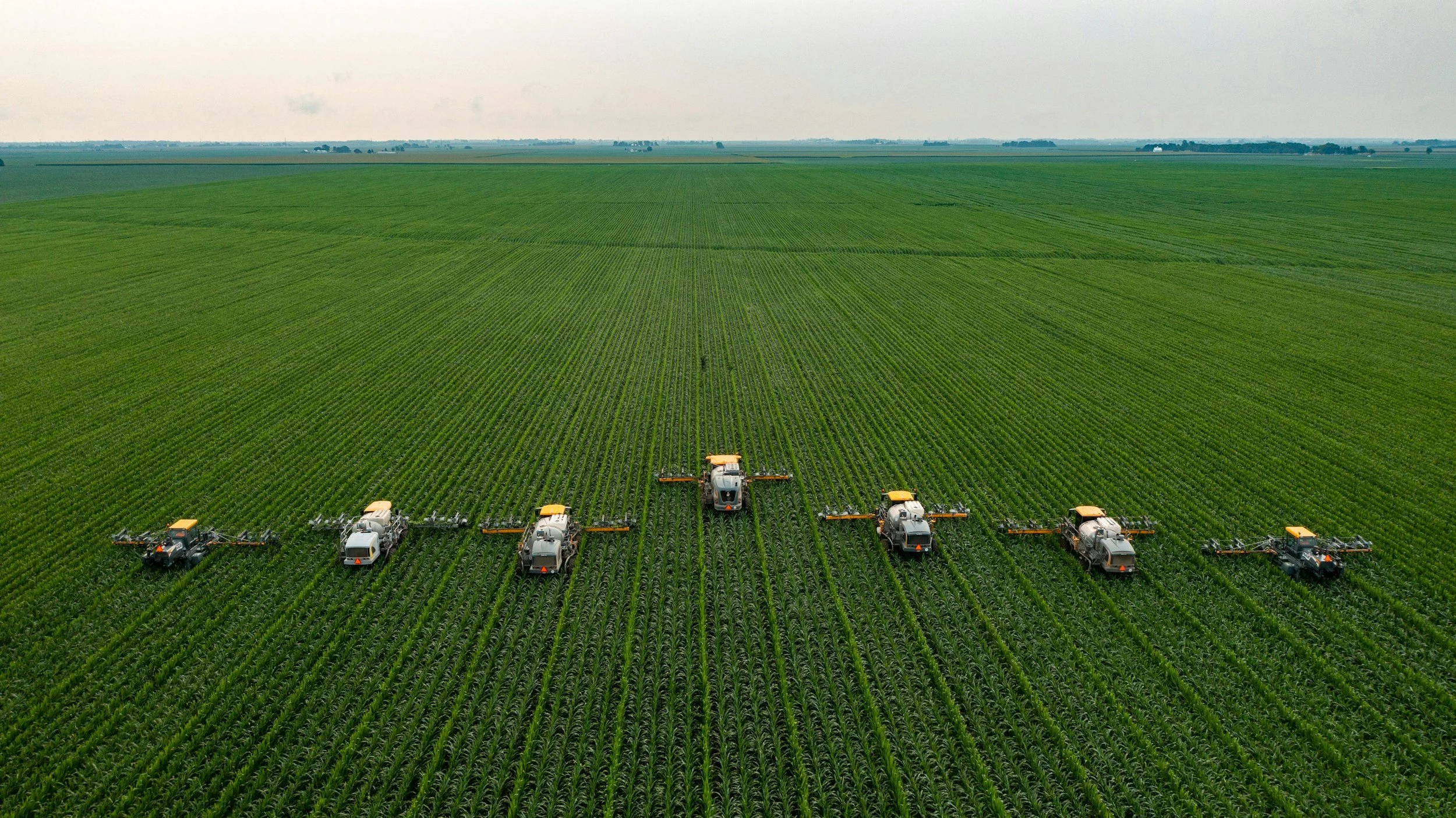
Agriculture. Spraying/spot-weeding via AI, autonomous equipment in controlled fields, and robotic milking on some dairies. Adoption is rising but uneven: USDA shows precision-ag tech is far more common on large farms. Lower near-term risk are skilled trades with varied, messy environments: residential plumbers/electricians, field HVAC techs, line workers, exterior carpenters, and most outdoor construction labor. These jobs mix troubleshooting, judgment, and awkward spaces which are still hard for robots.
Most exposed job categories in the next 50 years
It’s speculative, but if trends continue. Trucking & freight will move to broad multi-state driverless corridors and more terminal-to-terminal autonomy. Humans focus on local pickup, complex urban edges, and fleet supervision. Construction sites have far more task-specific robots, plus off-site modular manufacturing. Niche 3D-printed structures scale where codes and economics fit.
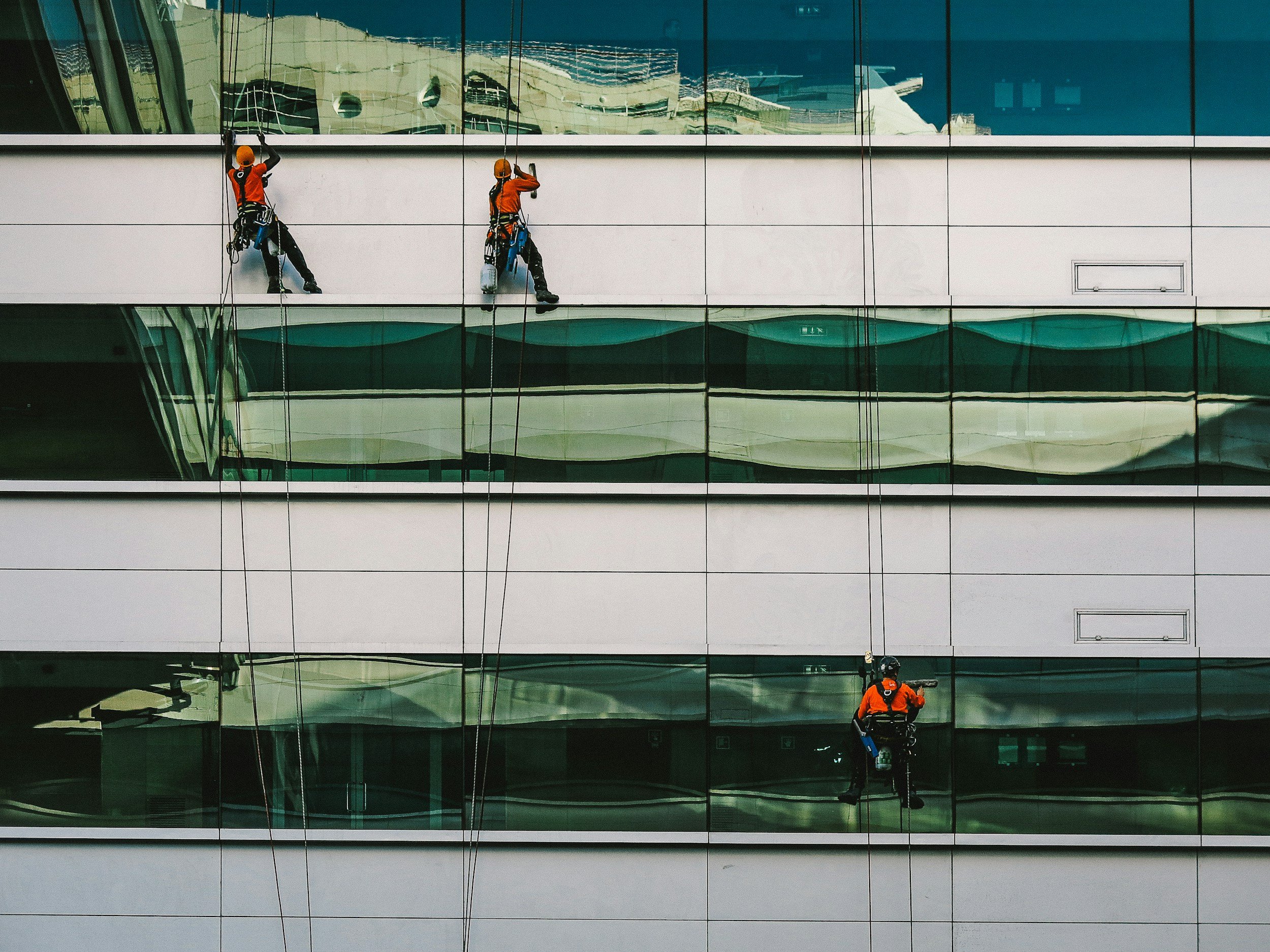
Mining & heavy industry moves to end-to-end autonomous sites, with human crews doing remote operations, maintenance, and exception handling. Agriculture will see commodity row crops and dairies with higher autonomy on large farms while labor-intensive specialty crops adopt assistive robotics where vision/manipulation matures. Facilities & janitorial move routine floor and window tasks to fully automated in large facilities and humans handle detail, repair, compliance, and customer-facing work.
Already replaced or hollowed out by AI
Medical transcriptionists.
Template financial & sports reporting.
Front-line customer chat for routine queries (in some firms).
Toll collectors
Certain factory line stations
Bulk materials haulage/ore trains in mining
Intentional Humane Transition
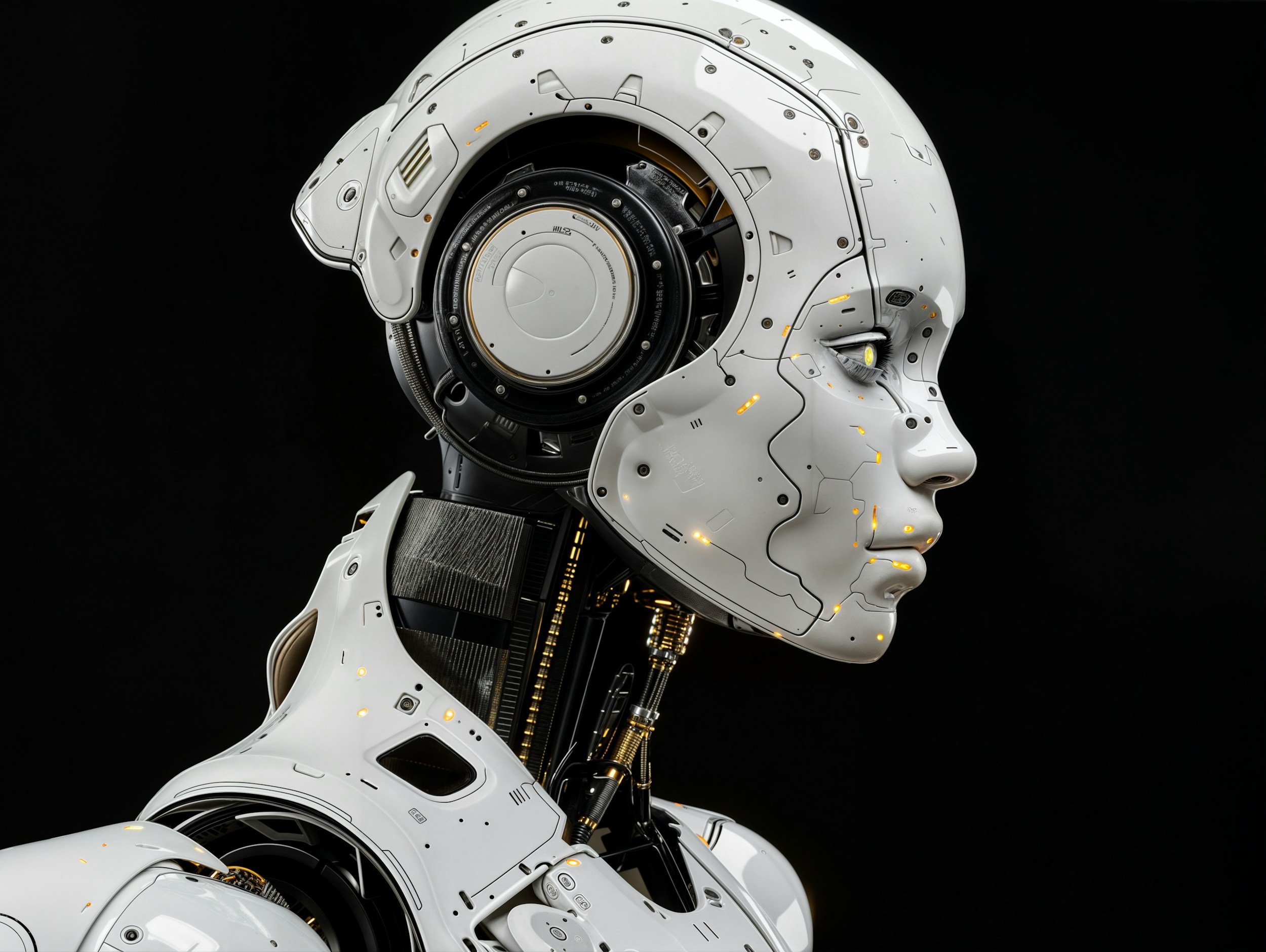
There is little doubt that a new reality is arriving where machines substitute not just muscle but mind. Industrial robots already outpace humans in repeatable tasks and AI now drafts emails, analyzes images, writes code, and designs parts. Historically, as technology has created new tasks and industries the average living standards rose. The risk we now face is both joblessness and decoupling of wages as a means to afford the cost of living. AI’s increased productivity and profits will likely soar while jobs get replaced, median wages stagnate, and the distribution of gains concentrates at the top.
Without redesign, we’re headed for chaos. Nothing about the next economy is predetermined. We can encode human dignity into its architecture and design it to reflect the best of humanity, not the greedy worst of it. This is not an exact prescription but rather a broad umbrella of what the US can reach for. A few suggestions:
1) Make income less hostage to a job. Universal basic services like healthcare, childcare, transit, and broadband cut the cash you need to live. Earnings insurance and portable benefits follow the person across gigs and employers. Pilot UBI dividends from data and AI productivity.
2) Give workers power where they stand. Federal collective bargaining and wage boards set floors in industries where local organizing is hard. Co-determination and employee ownership put worker voice in governance and share the upside of automation. Enforce transparency: explainable scheduling, pay calculation, and performance decisions; independent audits for bias and wage theft.
3) Tax where the surplus lives. Modernize excess-profits and monopoly taxes; align global minimums to stop profit shifting. Treat buybacks and mega-distributions as signals to share gains with workers and the public that enabled them.
4) Aim automation at complementing people, not replacing them. Tie public procurement and tax credits to human-complementary adoption. Embrace AI that augments care workers, teachers, technicians paired with paid upskilling. Fund apprenticeships and technical high schools that treat modern craft like robotics tech, HVAC, precision machining, elder care as high-status careers.
Sources
Blue-collar vs. AI exposure: Brookings (2024) and OECD (2024).
Physical work automation potential & warehouse outlook: McKinsey.
Robots in factories (scale & density): IFR World Robotics 2024/2025.
Mining autonomy: Komatsu & Caterpillar milestones.
Autonomous trucking status (2025 Texas launch): Reuters, The Verge.
Construction task robots (measured labor savings and deployments): Springer 2025 case study; trade coverage.
Precision ag & dairy robotics adoption: USDA ERS 2024.
Toll collectors replaced by AET: Port Authority of NY/NJ; NY Thruway.
Fastest-growing blue-collar jobs (U.S.): BLS OOH 2025.