

Corporate Tax Dodgers
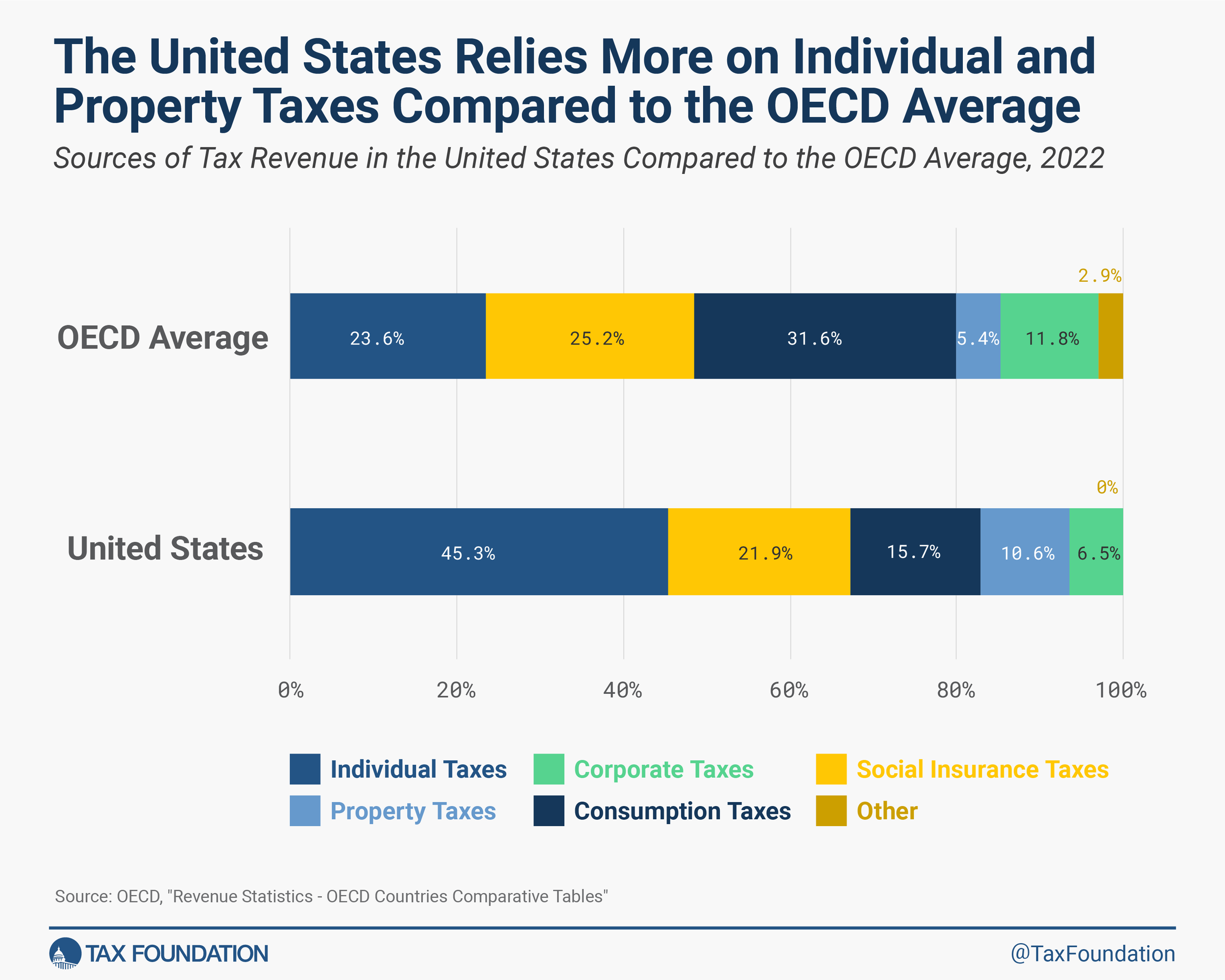
Tax Burden Shift: In 1960, corporations contributed 21% of federal tax revenue. Today, they contribute less than 7%, while individual taxpayers bear the burden.
Corporate Profits & Trickle-down Lies
America’s tax code has been steadily hollowed out to favor the ultra-wealthy and giant corporations. Today, ordinary workers see more and more taken out of each paycheck, while corporations hide behind loopholes and tax shelters. In 2021, 55 of the nation’s largest corporations paid zero dollars in federal income taxes, despite reporting over $40 billion in combined profits. The “Silicon Six” of Amazon, Meta, Alphabet, Netflix, Apple, and Microsoft collectively avoided nearly $278 billion in U.S. corporate taxes over the past decade. Despite earning $2.5 trillion in profits, their average effective tax rate was only 18.8%, well below the statutory 29.7%. Across the board, 342 of America’s most profitable corporations paid only 14.1% in effective federal income tax between 2018 and 2022, again far lower than the statutory rate.
Meanwhile, a teacher or nurse pays steadily into the system with nearly 30% of every paycheck. This disparity is the result of deliberate policy choices that have tilted the playing field. Yet for the sake of the ‘you can’t raise taxes’ critics, less first dismantle the pushback that will always come from those paying less than their fair share. First is the argument that “higher taxes stifle investment.” Actually from 1945 to 1975 when top rates exceeded 70%, the U.S. saw its fastest GDP growth in history. Next up is the threat that capital will leave “wealth taxes will drive billionaires overseas.” Other developed nations such as Canada and Norway have wealth taxes with minimal capital flight and these countries still attract global talent and rank higher that the U.S population in happiness. Last but not least is Wall Street saying that “corporate taxes hurt workers.” In reality, peer-reviewed studies show that after tax increases in OECD countries, workers captured nearly 70% of it in higher wages.
Back quickly to the post-World War II era where America embraced a vision of shared sacrifice. With higher top rates, top corporations shouldered over 30% of federal revenue. Those tax revenues built the interstate highway system, funded the GI Bill, and fueled decades of broad-based prosperity. Unfortunately for us, starting in the 1980s “Reaganomics” ushered in a new tax orthodoxy. Low taxes, deregulation, and a belief that “trickle-down” would lift all boats. The Tax Reform Act of 1986 slashed the top rate from 50% to 28% and carved out special breaks for capital gains. Subsequent legislation under both parties continued this trend, most notably the Tax Cuts and Jobs Act of 2017 that cut the corporate rate from 35% to 21%. As a result:
Corporate tax contributions fell from 32% of federal revenue in 1950 to under 7% today

These changes hollowed out the middle class’s share of national income and shifted more of the tax burden onto wage earners.
What’s Working Abroad & Proposed Reforms Here
European democracies demonstrate that higher taxes on the rich can coexist with vibrant economies. In Sweden there are top marginal rates above 57%, robust social safety nets and higher GDP per capita than the U.S. A wealth tax in Norway of up to 1.1% on net assets, funded by oil revenues; Gini coefficient (inequality measure) of 0.27 versus 0.48 for the U.S. In Germany there is a combined corporate and solidarity tax rate around 30%, universal healthcare, and free tertiary education. These nations invest tax revenues into education, healthcare, and infrastructure - fueling human capital and long-term growth. From those developed economies we can install some practical options to restore balance such as:
Enact a Minimum Corporate Tax of 21% aligned with the OECD’s agreement, to deter profit-shifting and raise an estimated $700 billion annually in the U.S.
Enact a Maximum Corporate Tax of 70% for the Top 100 Corporations in the U.S.
Strengthen IRS Enforcement and allocate $100 billion over ten years to hire personnel, modernize technology, and target the worst corporate tax avoiders.
According to Citizens for Tax Justice, many Fortune 500 firms routinely pay zero or negative federal income taxes through deductions, credits, and offshore loopholes. These mechanisms starve the federal budget of revenue, forcing deeper cuts or higher levies on workers and small businesses. The current system is unsustainable. It entrenches inequality, undermines democracy, and erodes the American Dream. Reforming the tax code is about restoring balance and funding essential services, it’s the moral and ethical obligation that we have to one another as we are on this shared planet together. Let’s rebalance our economy so that opportunity and security are available to all.
#TaxCorporateAmerica