

Housing Crisis 2.0

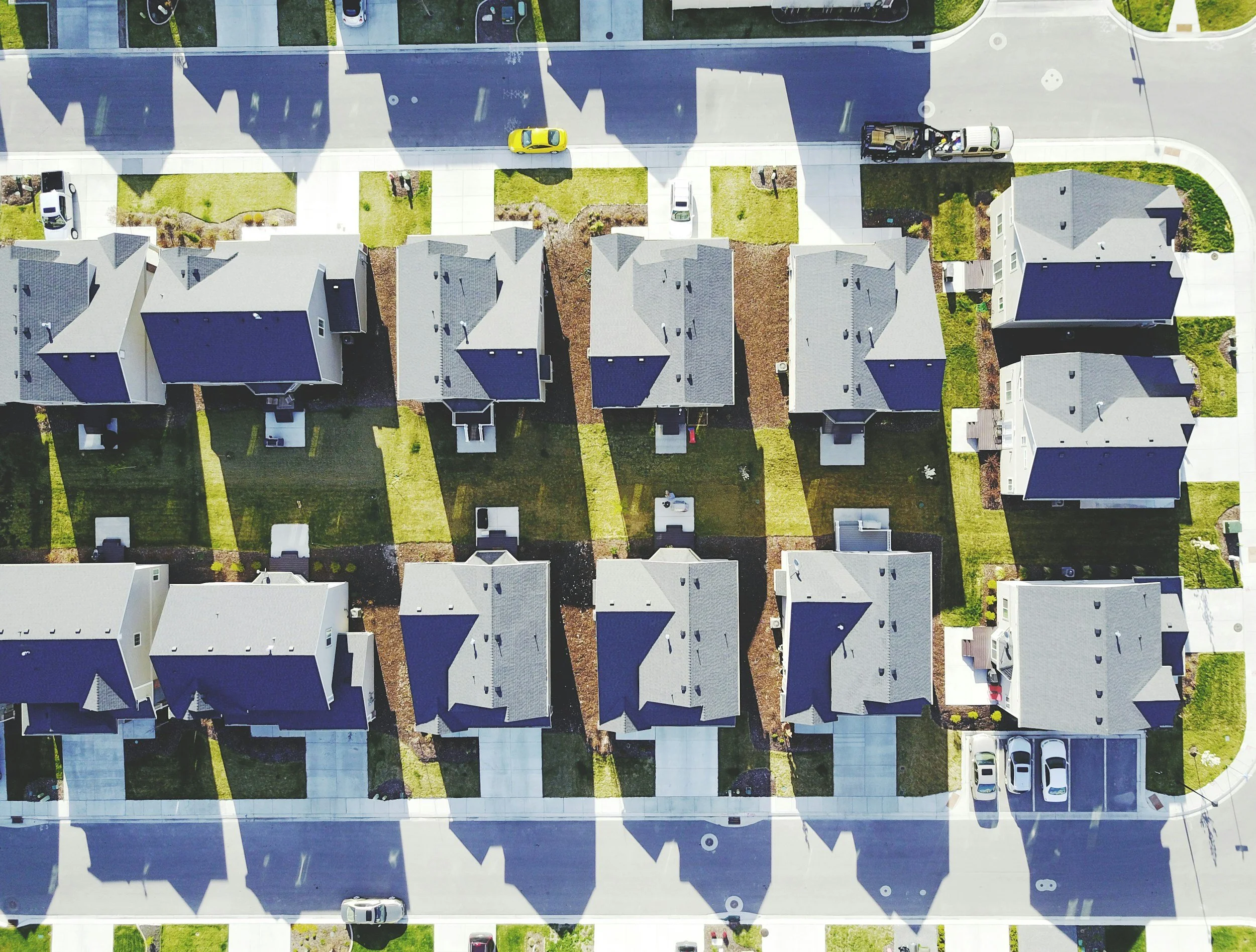
The largest owners of residential real estate are a mix of massive investment firms with Blackstone often cited as a top single-family home buyer.
Homes Are for Humans, Not Corporate Landlords
Let’s be clear, this housing crisis is manmade and fixable. A functional society should not allow the basic human need for shelter to be harvested like a commodity. Especially when families are locked out of ownership and renters are squeezed by rising costs. Then again it does appear we are a few pieces away from a functional society as 2026 kicks off. And though we can’t solve the entire housing crisis with one law, we can stop making it worse by letting corporate owners crowd out buyers and convert neighborhoods into profit machines. Homeownership should be for people, not private equity or corporate America.
Along the path to resolving the issue includes better wages, lower interest rates, and updated zoning laws. For this policy perspective we are going to focus on corporate America’s move into residential property and what can be done about it. It’s both a local and national reality, in Charlotte a recent report highlighted that national corporations own about 18% of single-family rental homes. This places Charlotte among the highest of large U.S. cities studied. Other local analysis using Mecklenburg County tax assessment data shows corporate ownership of single-family homes rising sharply over the past decade. This business model has spread and is concentrated in fast-growing metro, meaning regular buyers are forced to bid against Wall Street and not their neighbors.
Homeownership is supposed to be the backbone of the American Dream. Stability, roots, and a chance to build wealth over time. That promise is now being eroded by a housing market that increasingly treats single-family homes like financial assets instead of a place where families live.
Corporate Overreach in $earch of Profit$
How much does private equity actually own? Recent analysis notes that large institutional investors, often defined as owning 100+ homes, own about 3% of single-family rental stock nationwide. However, ownership soars around 12% to 20% in the metros where investors are most concentrated. While the national percentage looks small, the local damage can be significant as in Charlotte’s case. Again, we can recognize the housing crisis has multiple causes, that we must also increase supply and affordability, but corporate consolidation makes the crisis worse in the places it targets.
The outgoing Biden administration was already warning about the growth of investor ownership in single-family rentals since the financial crisis and the concerns it raises for affordability. We need more checks on corporate power such as the FTC’s 2024 action requiring Invitation Homes to pay $48 million and stop certain deceptive and unfair practices.

What I’ll fight for in Congress
1) Co-sponsor H.R. 1745 — the HOPE for Homeownership Act
Humans Over Private Equity. This bill targets hedge funds that hold “excess” single-family homes by imposing an excise tax when they fail to dispose of excess holdings—creating real pressure to return homes to the market for people to buy.
2) Support H.R. 3214 — the HOME Act of 2025
Housing Oversight and Mitigating Exploitation. This would empower HUD to investigate housing and rental price gouging during an affordable housing crisis and strengthen oversight of abusive market practices especially when large investors dominate purchases and distort markets.
3) Push additional reforms that put families first, investments last.
Transparency on corporate ownership, guardrails on bulk purchases, and pro-homebuyer measures that prioritize owner-occupants, not “asset classes.”
4) Push for Living Wages, $30 by 2030.
A living wage is the hourly rate that an individual in a household must earn to support themselves and/or their family, working full-time, or 2080 hours per year
Cost of New Home (000s)
Changes to the cost of a home and family income from Census data shows the median home value in 1950 was $7,354. Just 75 years later in 2024 the median home price had seen a 50x increase to over $400,000. Generations are being priced out of the biggest slice of the American Dream because of affordability. These price increases break the ladder for young families or completely eliminate the opportunity to own a starter home. Especially when wages and household finances haven’t kept pace. For context, the 1950 Census estimated average family income at about $3,300. If incomes had risen at anything like the same pace as home prices, family income today would be well into six figures at nearly $168,000/yr. Instead, families in the U.S. currently have a median income between $75,000 and $84,000 per year and are asked to absorb higher prices, higher interest rates, and rising rents all at once.
Sources: Census PBS Census.gov https://www.wbtv.com Charlotte Urban Institute
Government Accountability Office Federal Trade Commission Econofact https://www.wbtv.com