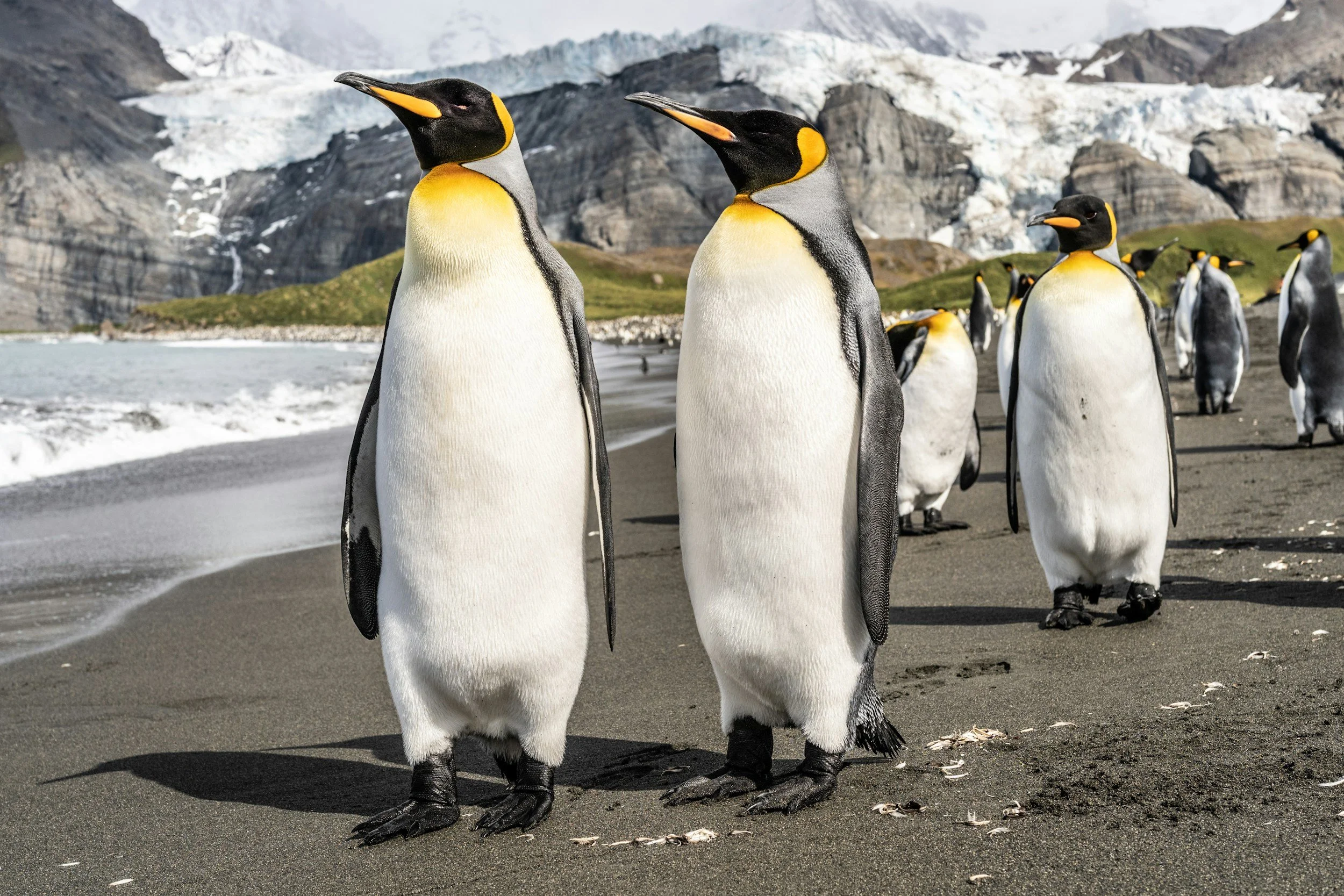
A Science lesson for those ignorant enough not to accept the LGBTQ community.

If we define “LGBTQ-analogous traits” as any of the following: Same-sex sexual behavior / Stable same-sex bonding / Sex-atypical behavior / Intersex or hermaphroditic traits. Then across the animal kingdom as a whole a rough but defensible estimate: 15–25% of animal species show at least one such trait (with much higher rates in invertebrates and fish).
Nature Is More Diverse Than Your Comfort Zones
Humans often project moral judgments onto biology, confusing “unfamiliar” with “unnatural.” History is full of examples where what was once taboo: left-handedness, mental health conditions, neurological differences -was later understood as natural human variation once science caught up. Sexual orientation and sexual diversity belong in that same category.
Acknowledging this reality does not require abandoning culture, faith, or personal values. It requires something simpler and more demanding: intellectual humility. Most of human history, variations in sex, attraction, and behavior have been hidden, punished, or dismissed as “unnatural.” We now have an opportunity to see what we couldn’t before. Modern biology increasingly shows that what we labeled as abnormal often reflects not a flaw in nature, but a limitation in human understanding. Across the animal kingdom, diversity in sexual behavior and biological sex expression is not rare. It is widespread, persistent, and evolutionarily stable. The idea that nature operates strictly in binaries such as male/female, heterosexual/non-heterosexual, normal/abnormal is not supported by the evidence. It is a cultural simplification, not a biological rule.
Observed in Nature
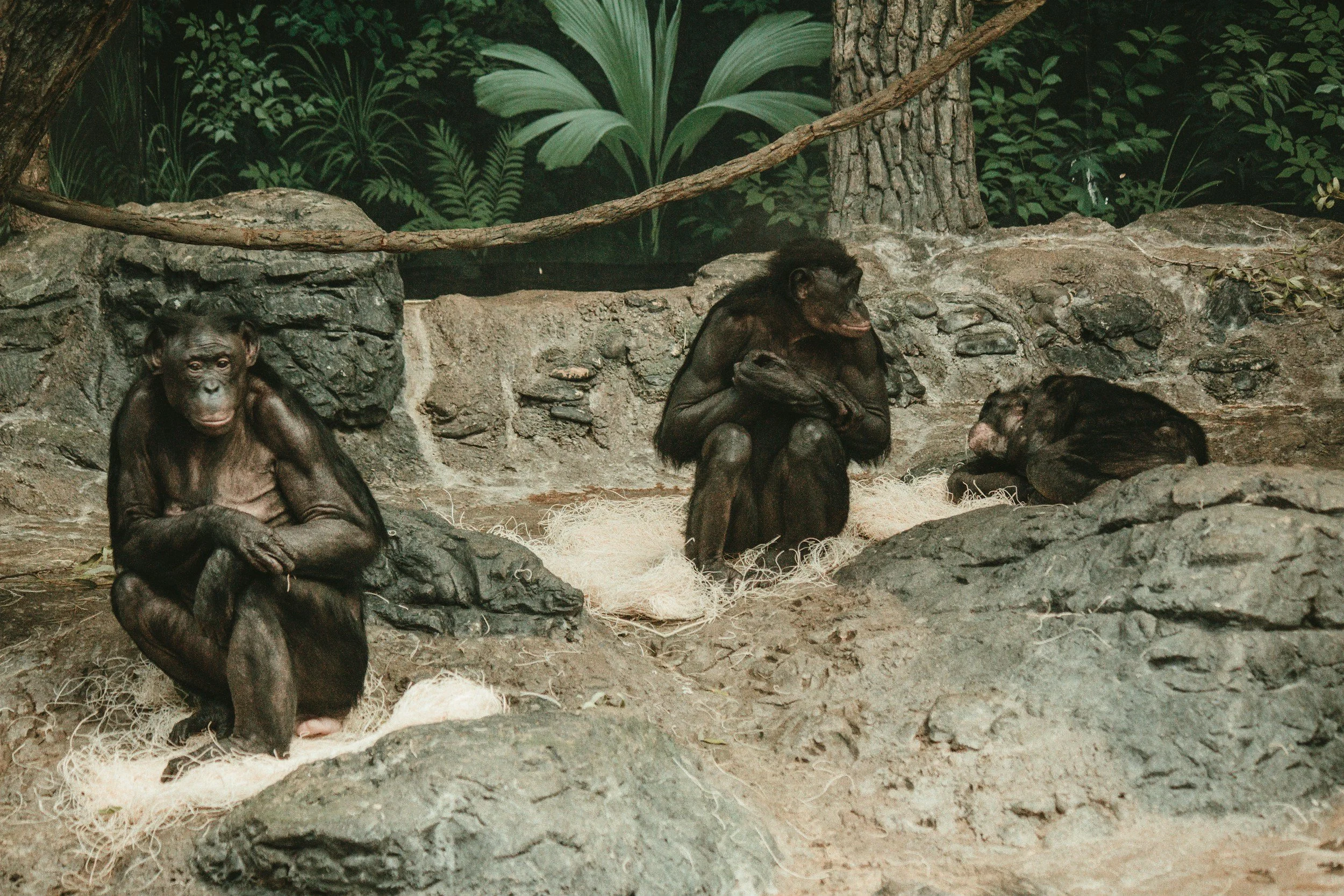
Scientists have documented same-sex sexual behavior in over 1,500 animal species, spanning mammals, birds, reptiles, fish, insects, and mollusks. In some species, these behaviors are occasional; in others, they are common or form long-term pair bonds. Penguins, swans, dolphins, bonobos, sheep, and many bird species exhibit stable same-sex partnerships, sometimes raising young together. None of this exists because nature is confused. It exists because evolution rewards flexibility, not ideology. Beyond behavior, nature further complicates simple categories through biology itself:
Intersex traits—where anatomy, chromosomes, or gonads do not fit typical male or female definitions—occur across vertebrate species, including humans.
Hermaphroditism is common in invertebrates and fish. Many species possess both reproductive systems simultaneously, while others change sex during their lifetime as a normal survival strategy.
Over 30% of fish species exhibit some form of sex change. This is not an anomaly—it is an adaptive feature.
What We Know vs. What We Don’t
Modern science has mapped genomes, split atoms, and photographed black holes—and yet we still do not fully understand consciousness, development, or even large portions of our own biology. Neuroscience, genetics, and evolutionary biology remain fields filled with unanswered questions. When measured honestly, human knowledge is a narrow island surrounded by a vast ocean of uncertainty. In that context, rigid certainty about how nature must behave is not strength. It is overconfidence. There is no single gene that determines sexual orientation or sex expression. Instead, scientists observe a complex interaction of:
Multiple genes
Hormonal exposure during development
Epigenetic changes (genes turning on or off without altering DNA)
Environmental influences
Natural genetic variation and mutation
These processes are not unique to sexuality; they shape all biological traits. Importantly, evolution does not eliminate traits simply because they make some humans uncomfortable. If a variation does not significantly reduce survival or reproduction, or if it confers indirect advantages it will often persist in nature. That persistence is not an accident, it’s data.
Compassion as a Scientific Virtue
Compassion is often framed as a moral or emotional response, but it is also a rational one. When evidence shows that variation is natural, persistent, and poorly understood, the most defensible stance is restraint. Resisting the urge to punish or stigmatize what we do not fully grasp. Taboos have frequently been enforced not by knowledge but by fear. The fear of ambiguity, difference, and loss of control. Science repeatedly shows that nature does not share those fears.
Biology does not argue. It observes and what it observes, again and again, is that life thrives through diversity, not conformity. The more we learn, the clearer it becomes that human categories often lag behind natural reality. Recognizing this does not weaken society. It strengthens it, by grounding our ethics not in fear or assumption, but in humility, evidence, and compassion.
In the end, the most scientific position may also be the most human one: to admit how much we still don’t know, and to treat one another with care while we continue learning.